Cave Dwellings: Discover Earth's Most Unique Homes
12 March 2026
Ever thought about trading in your four-bedroom suburban house for something... a little more primal? Maybe walls of stone, naturally cool interiors, and a history that stretches back thousands of years? If that sounds oddly appealing, you’re going to love today’s deep dive into the fascinating world of cave dwellings—some of the oldest, quirkiest, and most sustainable homes on the planet.
Whether carved into cliffsides or nestled in volcanic rock, these homes are far from primitive holes in the wall. In fact, they’re architectural wonders that tell rich stories of culture, survival, and innovation. So kick back, grab your headlamp (okay, just kidding), and let’s journey into the underground lifestyle.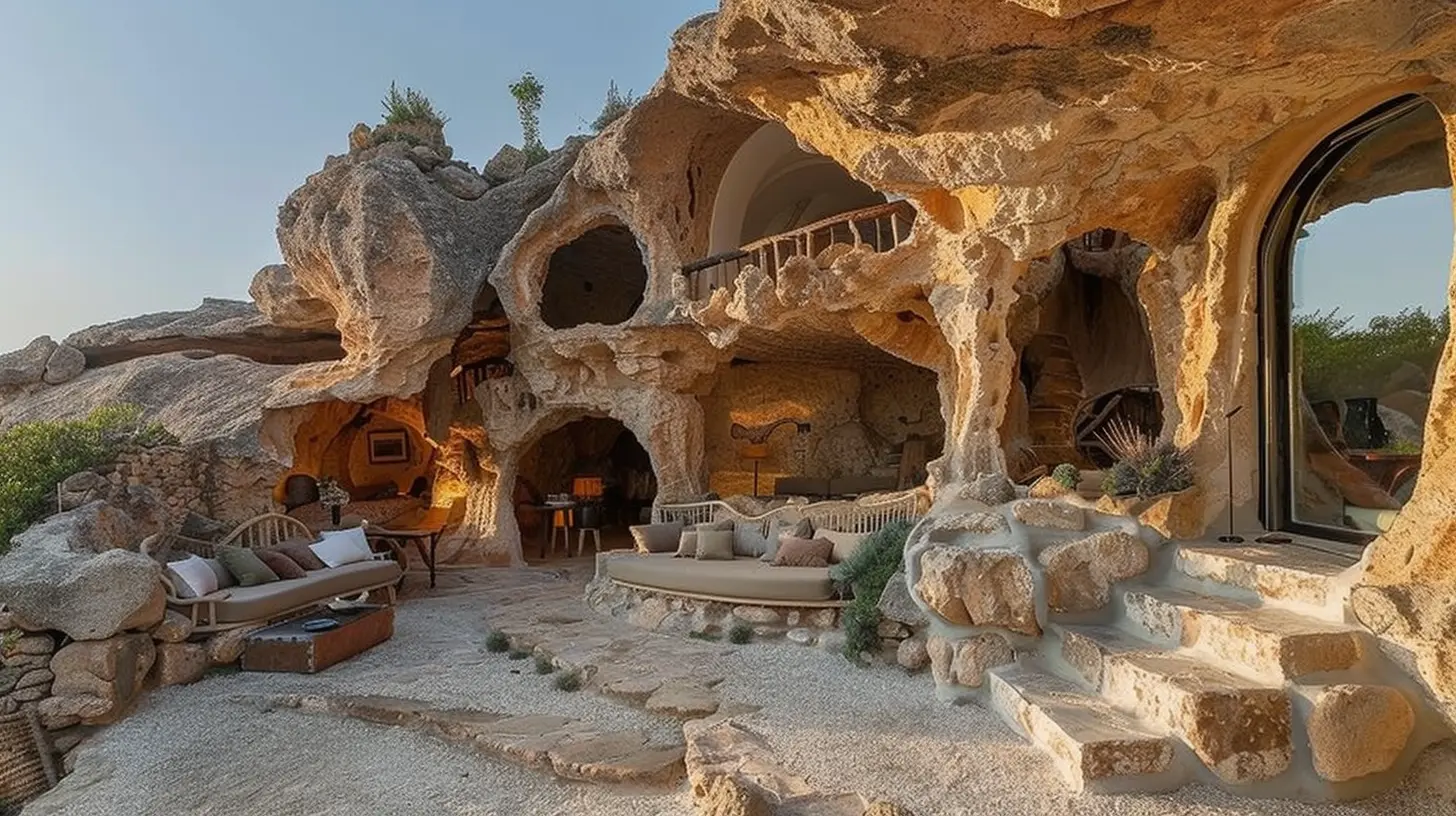
What Exactly Are Cave Dwellings?
Cave dwellings are homes that are either naturally formed in rock or carved out by human hands. But don’t picture something out of The Flintstones. These homes can be astoundingly comfortable—even luxurious—with plumbing, electricity, and modern furnishings.They’ve been around forever. Prehistoric humans used caves for shelter, safety, and warmth. Today? People are still living in them across the globe, often blending ancient design with modern convenience. That’s not just cool—it’s eco-chic.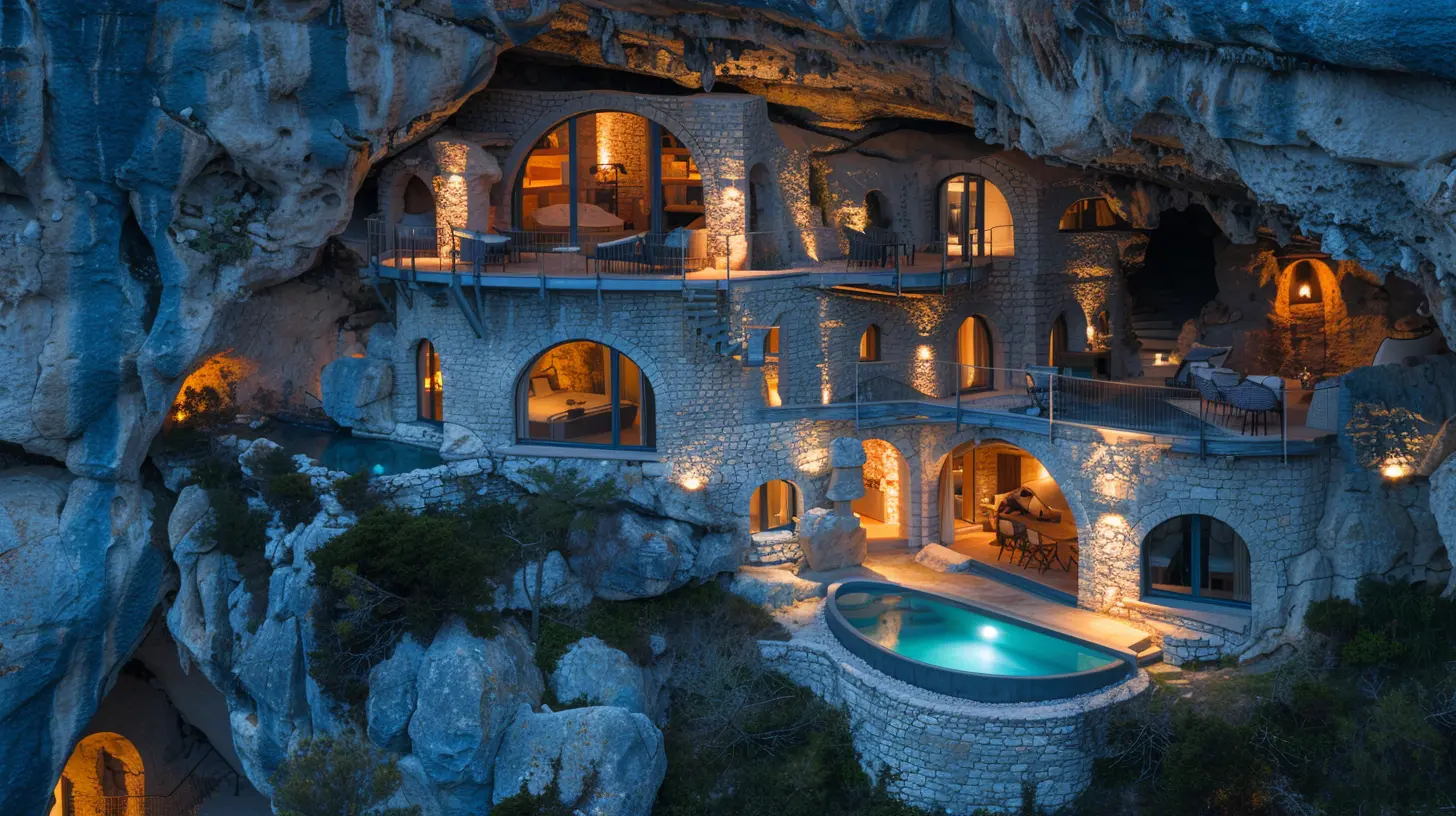
Why Would Anyone Choose to Live in a Cave?
That’s the million-dollar question, right? I mean, who looks at a hole in a mountain and says, "Yeah, that's my dream home"? Turns out, quite a few people.Here’s why cave living works:
- Natural Insulation: Caves maintain a steady temperature year-round. No need for blasting the AC in summer or cranking up the heater in winter.
- Eco-Friendly Design: No need for bricks, cement, or timber. You're literally shaping your home from the earth itself.
- Protection from Elements: Rain, wind, even wildfires—caves can handle what Mother Nature throws at them.
- Cost Efficiency: Depending on location, building or buying a cave home can be cheaper than traditional housing.
It's minimalist. It's sustainable. It's the ultimate off-the-grid flex.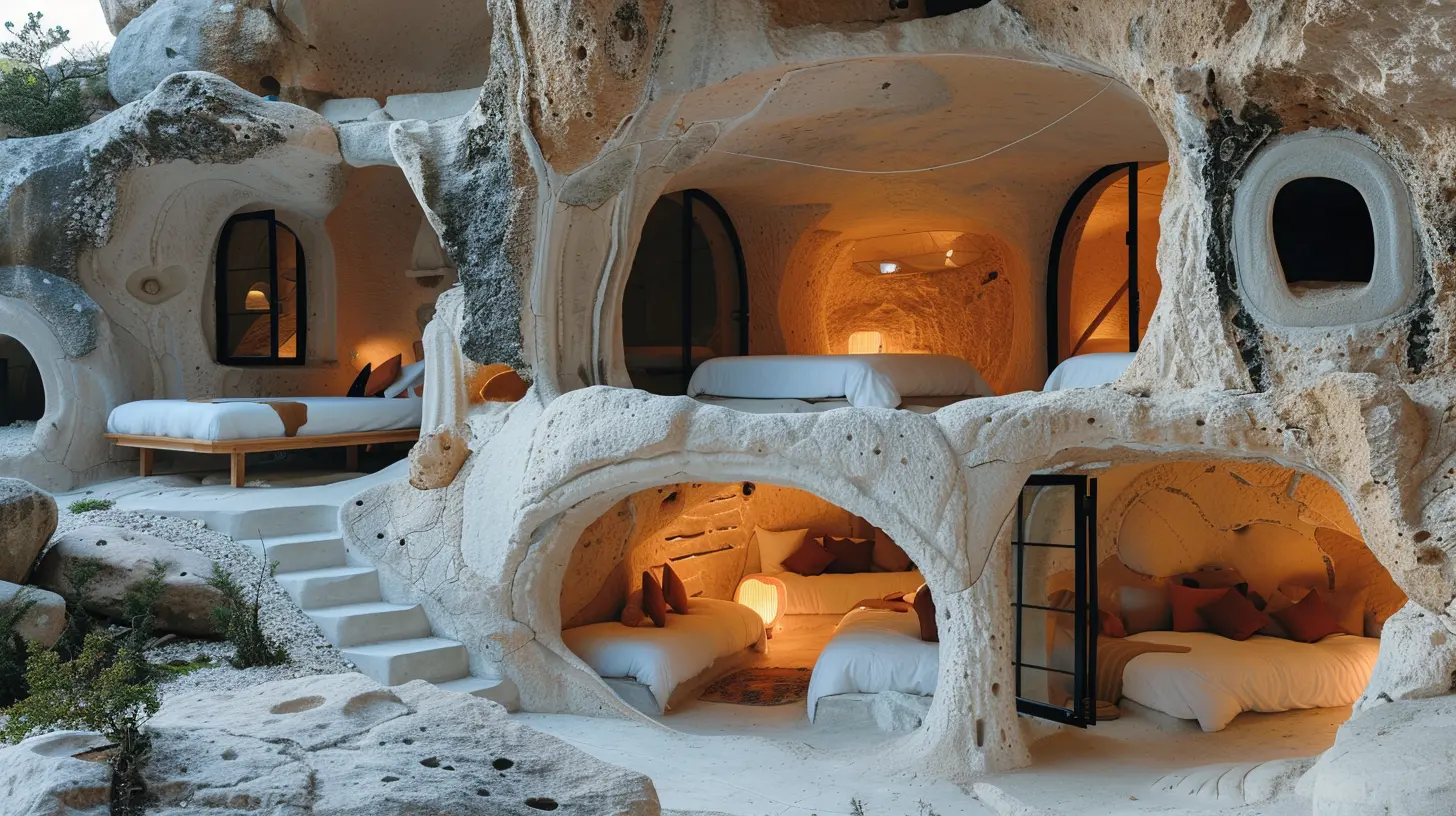
Famous Cave Dwellings Around the World
Ready to see how this all plays out globally? Let’s take a whirlwind tour of some of the most stunning cave homes and communities around the planet.1. Matmata, Tunisia
If you're a Star Wars fan, you’ll recognize this one. Matmata's underground homes, known as troglodyte houses, are dug straight into the earth. Some go as deep as 30 feet, with rooms branching off from a central open-air courtyard.What makes Matmata mind-blowing is how these ancient desert dwellings stay cool in sweltering heat. You walk into one and boom—instant 65°F comfort. No AC required.
2. Cappadocia, Turkey
This region looks like it belongs on another planet. We're talking cone-shaped rock formations called “fairy chimneys,” many of which have been hollowed out into homes, churches, and even hotels.People have lived in Cappadocia's rock formations for over 2,000 years, and today, you can spend the night in a cave hotel fitted with Jacuzzis and WiFi. Unreal, right?
3. Loja, Spain
Spain is home to hundreds of cave dwellings, but the town of Loja stands out. Here, homes are carved into soft rock hills, and many of the families have lived in them for generations.Walk through its neighborhoods, and you’d see doors and windows sticking out from grassy hillsides. It’s like a real-life Hobbiton—minus the hobbits and wizardry.
4. Coober Pedy, Australia
Imagine living in a town where most of the population stays underground—not because they love caves, but because the sun is just way too intense.Welcome to Coober Pedy. Known as the “opal capital of the world,” this Australian outback town has repurposed old mine shafts into full-blown homes. Inside, these homes are surprisingly chic—think drywall, carpeted floors, even bars and churches.
5. Bamiyan, Afghanistan
Once known for the now-destroyed Buddhas of Bamiyan, this area is filled with cliff-side cave homes that were originally part of ancient Buddhist monasteries. Many were converted into homes over centuries.Although more rustic than others on our list, these caves carry immense historical and spiritual weight.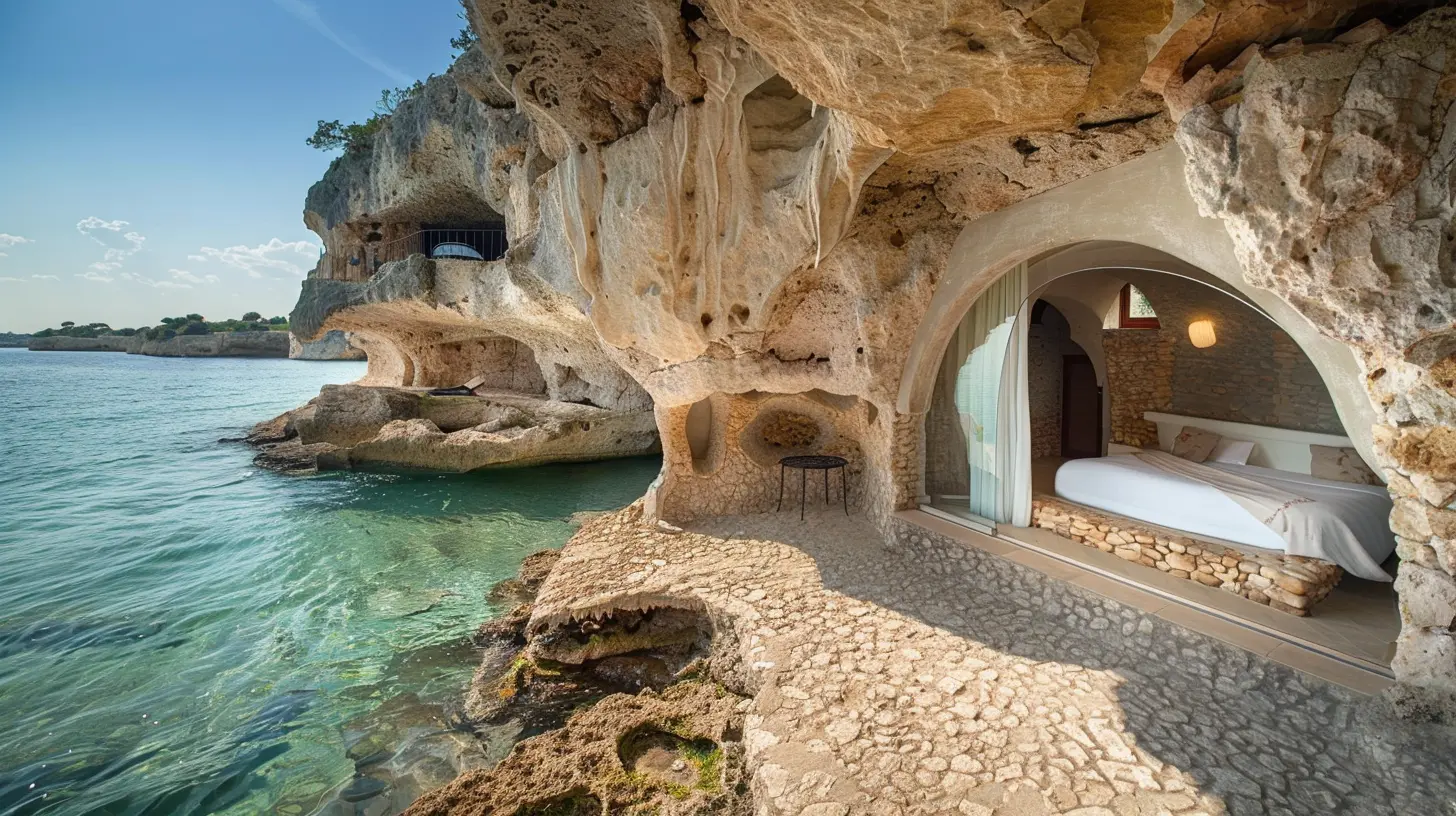
What It's Like Living In a Cave
Alright, so let’s get personal. Could you actually live in one? What’s the day-to-day vibe of life underground?- Super Quiet: Thick rock walls act as soundproofing. You won’t hear traffic, barking dogs, or your neighbor's questionable music choices.
- Energy Savings: Since the temperature remains constant, you save big on heating and cooling.
- Unique Aesthetic: The ambiance is unmatched—stone walls, curved ceilings, cozy nooks. It’s like living in an art piece.
But it’s not all roses:
- Limited Natural Light: You might have to get creative with lighting unless your home has good natural openings.
- Moisture Woes: Humidity and ventilation can be an issue in some cave homes. A good dehumidifier is your friend.
- Not Always Easy To Modify: Want a new room? You’re going to need a pickaxe—and some permits.
Modern-Day Cave Hotels: Want to Try Before You Buy?
Not ready to go full troglodyte? No worries. There are tons of cave hotels around the world where you can dip your toes into the underground lifestyle.Check these out:
- Argos in Cappadocia (Turkey): Historic cave suites with panoramic views and modern luxury.
- Le Grotte della Civita (Italy): Located in Matera, one of the oldest continuously inhabited places on Earth. Comfortable and hauntingly beautiful.
- Desert Cave Hotel (Australia): Offers underground rooms in one of the hottest towns on Earth.
These stays offer the perfect mix of ancient charm and modern convenience. And hey, staying in one might just convince you to move underground.
The Rise of Eco-Tourism and Alternative Living
Cave living isn’t just a quirky trend for adventurous souls. It’s part of a broader movement toward eco-friendly, sustainable lifestyles. As we face climate change, resource scarcity, and rising housing costs, alternative homes like cave dwellings are becoming more attractive.Think about it: They’re built from natural materials, require less energy, and—bonus—they’re incredibly cool (literally and figuratively).
Plus, they tie into the growing interest in slow travel and experiential tourism. People don’t just want to see new places—they want to live their stories, even if just for a few days. And cave dwellings? They're stories etched in stone.
Interested? Here's How to Visit or Even Buy a Cave Home
Yes, you can actually buy one. There are real estate listings for cave homes, especially in places like Spain, France, and Turkey. Prices vary widely depending on location, size, and modernization—but many are surprisingly affordable.Not ready to commit? Visit instead. Here’s how:
1. Search for Cave Hotels in regions like Cappadocia, Matera, or southern Spain.
2. Take a Guided Tour: Learn about the history, architecture, and culture.
3. Stay with a Local: Some cave home owners rent out rooms via Airbnb or other platforms.
You get a taste of something extraordinary—without the need to stock up on candles and flint sticks.
Final Thoughts
Cave dwellings are more than homes—they’re a testament to human adaptability, creativity, and persistence. They connect us with our ancestors while offering a glimpse into a more sustainable future. Whether you’re looking to book a unique vacation or rethink your whole lifestyle, caves might just be calling your name.So, what do you think? Could you go underground and love it? Or would you miss your drywall and WiFi too much?
Whatever your answer, one thing's for sure: Earth’s most unique homes aren’t on the skyline—they’re hidden in the stone below your feet.
all images in this post were generated using AI tools
Category:
Unique AccommodationsAuthor:

Kelly Hall
Discussion
rate this article
2 comments
Carmen Price
Beneath the surface lies a hidden world where time stands still. These cave dwellings whisper stories of ancient civilizations and forgotten secrets. Venture into the shadows, and you may uncover the artistry of nature and humanity entwined. Are you ready to explore these enigmatic abodes? Adventure awaits!
March 20, 2026 at 4:48 AM
Kelly Hall
Absolutely! The allure of cave dwellings is captivating. They hold so much history and mystery. I can't wait to delve deeper into their enchanting stories. Let's explore together!
Eva Thomas
Who needs modern architecture when nature's artistry creates such breathtaking abodes? Cave dwellings showcase the ultimate blend of shelter and wonder, inviting us to explore how humanity has adapted to the earth's whims—living history carved in stone.
March 19, 2026 at 4:50 PM
Kelly Hall
Absolutely! Cave dwellings beautifully illustrate humanity's harmony with nature, showcasing our ability to adapt while celebrating the Earth's unique artistry.