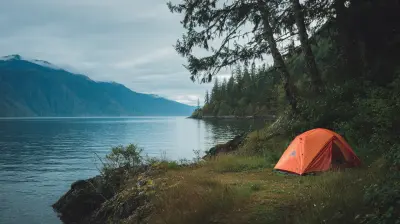
Exploring the Backcountry with Your Four-Legged Friend
12 April 2026
There's something magical about lacing up your hiking boots, packing your gear, and heading out where there’s no Wi-Fi signal in sight—just you, nature, and your four-legged best friend trotting along beside you. Dogs were born to roam, sniff every tree trunk, and race up and down trails like they’re starring in their own adventure movie. If you've ever looked into those puppy eyes and thought, “You’d love the backcountry,” you’re not wrong.
In this article, we’re going all-in on what it means to hit the trails, camp under the stars, and get a little (okay, sometimes a lot) muddy with your dog by your side. We'll talk gear, prep, safety tips, etiquette, and everything else you need to know to make sure your backcountry adventure is unforgettable—for all the right reasons.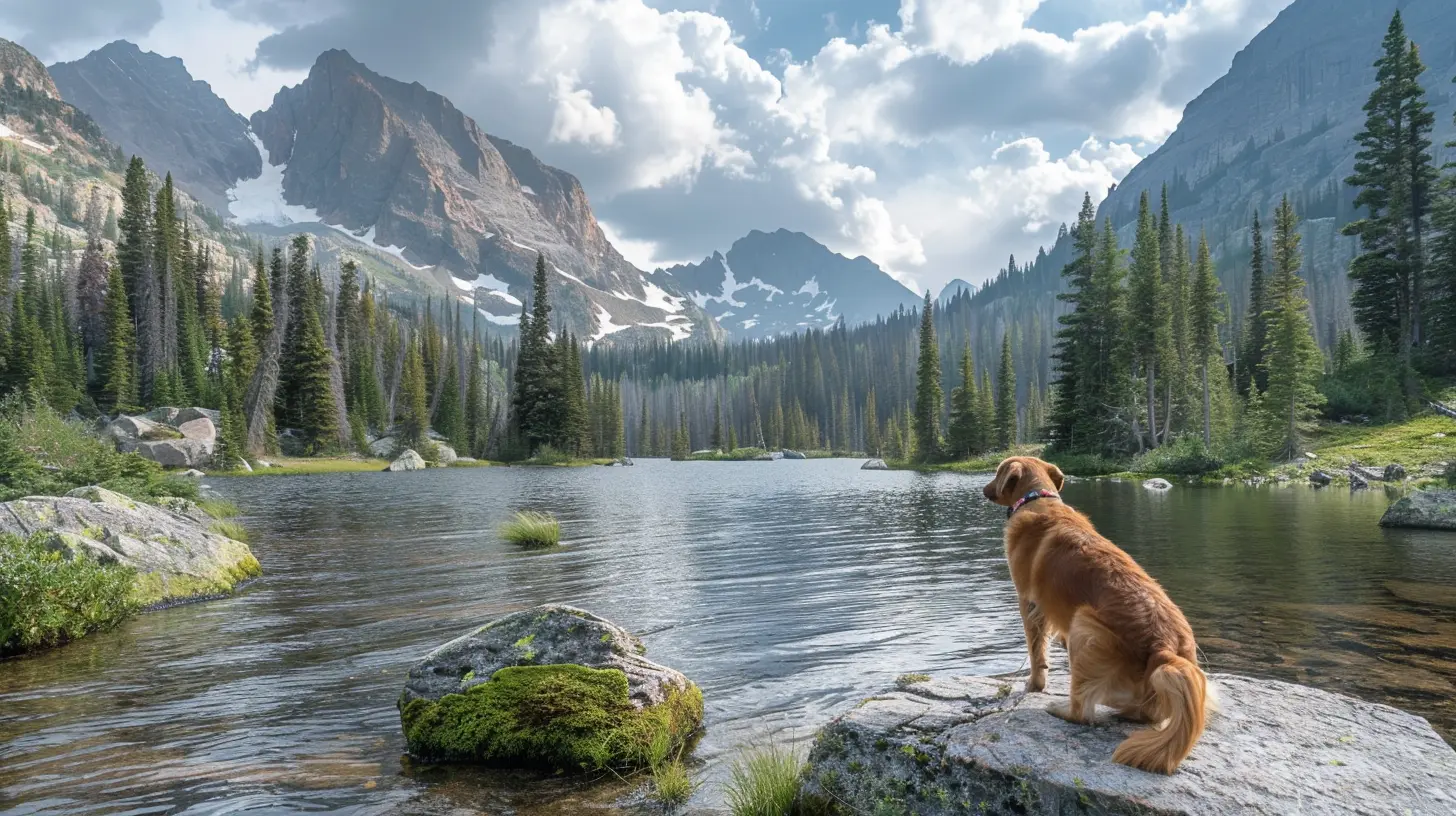
Why Take Your Dog Into the Backcountry?
Let’s be real—dogs make the best travel companions. They don’t complain, they’re always down for a detour, and their enthusiasm is contagious. The backcountry is like Disneyland for dogs—minus the overpriced snacks. The scents, the sounds, the freedom—it taps into that primal joy of just being in the wild.And for us humans? Sharing that joy with our pups makes the experience richer. Bonding with your dog out in the wilderness far away from screens and schedules? That’s the kind of memory that sticks with you.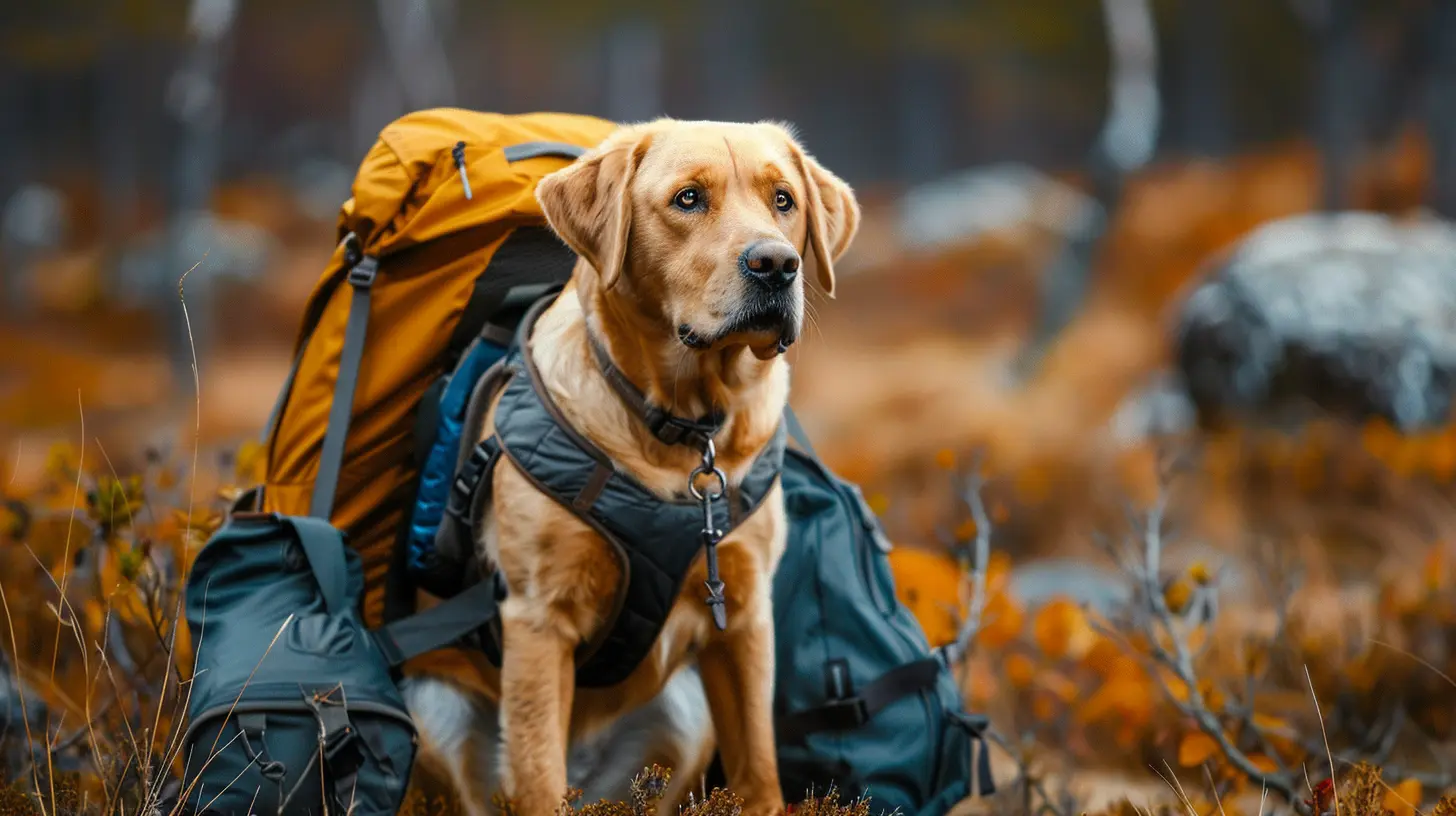
Is Your Dog Ready for the Trail?
Before you start planning your grand escape, it’s important to take a hard look at whether your dog is physically and mentally ready for backcountry travel. Not all dogs are trail-ready, and that’s okay. Here's a quick checklist:- Fitness Level: Can your dog handle long walks and uneven terrain without getting overtired?
- Age: Puppies and senior dogs may not have the stamina or stability for rugged terrain.
- Behavior: Does your dog come when called? Can they stay calm around wildlife?
- Training: Basic obedience is a must—things like “stay,” “leave it,” and a solid recall can be lifesavers.
If you’re unsure, start small. Try local hikes and work your way up. The backcountry isn’t just a place—it’s a mindset. Ease into it.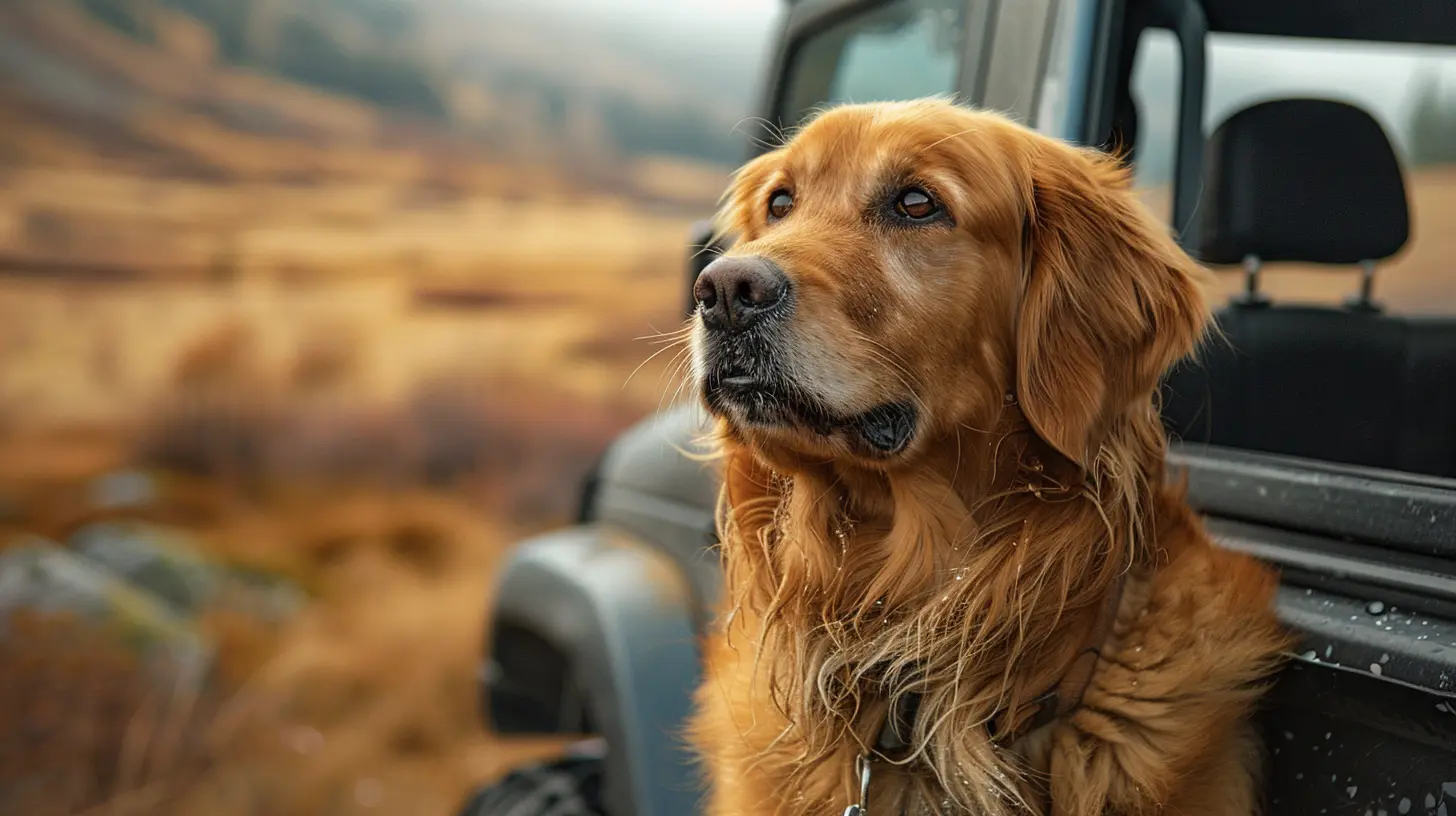
Planning a Trip: Dog-Friendly Destinations & Pet Policies
Not all backcountry trails are created equal—especially when it comes to dogs. Some national or state parks have strict rules about pets, while others welcome them with open paws. Before setting out:1. Check Park Regulations: Look up trail and park guidelines online. Some areas require dogs to be leashed at all times.
2. Permits: Make sure your dog is covered under any wilderness permits you may need.
3. Leave No Trace Rules: Dogs are expected to follow the same LNT principles as humans. Pack it in, pack it out—yes, even the poop.
A few pup-approved destinations to consider:
- Pacific Northwest: Loads of dog-friendly trails and cool temperatures.
- Colorado’s National Forests: Dogs are free to roam off-leash in many areas.
- Appalachian Trail: Most sections are dog-friendly, but know the rules in specific states.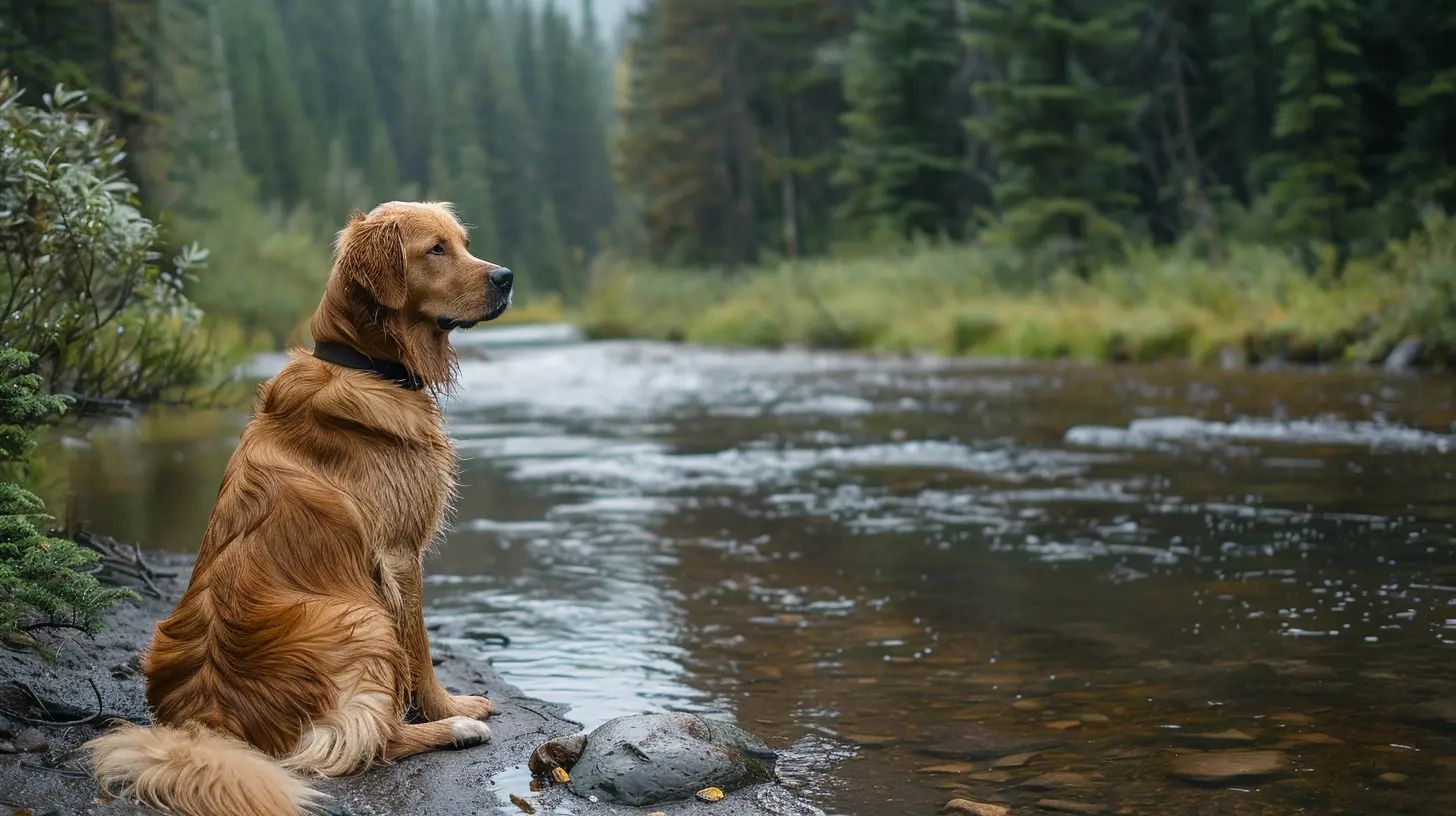
Must-Have Gear for Backcountry Adventures with Dogs
You’ve got your hiking boots, your pack, and your water filter. But what about your furry companion? Here’s a gear checklist to keep both tails and spirits wagging:For the Doggo:
- Well-fitted Harness: Provides control without choking; some come with handles for hoisting.- Dog Backpack: Many dogs can carry their own food and supplies—just don’t overload them.
- Booties: Protect their paws from rough terrain, ice, or hot rocks.
- Dog Jacket or Raincoat: If you’re heading into cold climates.
- Collapsible Water Bowl: Lightweight and packable.
- LED Collar Light: For visibility at night.
- Dog Sleeping Pad or Blanket: So they’re not snoozing on cold, hard ground.
For You:
- Extra Food: Trails require more calories—same for your pup.- Dog First Aid Kit: Include tick remover, antiseptic wipes, paw balm, and vet wrap.
- Leash (and Backup Leash): Even if off-leash is allowed, it’s good to have options.
- Poop Bags: Pack it in, pack it out. Or bury it responsibly if allowed.
- Vaccination Records: Some parks require proof, and it’s handy in case of emergencies.
Training Tips: Trail Manners 101
You know your dog is cute. Everyone does. But the wilderness is shared space, and good behavior makes it better for everyone. Imagine you're hiking with your dog, and suddenly a squirrel zips by—does your pup freak out or stay chill?Here’s how to keep things under control:
- Recall is King: Your dog should come back the first time you call—no exceptions.
- Heel Skills: Keep your dog close when passing hikers or encountering wildlife.
- Ignore Wildlife: Squirrels, deer, and bears, oh my! Train your dog not to chase.
- Trail Etiquette: Yield to uphill traffic, don’t let your dog bark excessively, and clean up waste.
If your dog’s still a bit rambunctious, work on trail manners during day hikes before venturing deep into the backcountry.
Mealtime in the Mountains
After a long hike, no one wants to deal with a hangry hound. Dogs burn more calories on the trail, and they’ll need extra food to keep up their energy. Consider bringing high-calorie kibble or even dehydrated backpacking dog food for lighter weight.And don’t forget hydration. Dogs need fresh water just like you do. Ponds and rivers can hide nasty bacteria like Giardia. If you’re filtering your water, do the same for them.
Here’s a quick tip: Set up a "meal camp routine" so your dog knows when it’s time to eat and rest. It helps keep them calm and centered—kind of like us with coffee.
Sleeping Under the Stars with a Snoring Pup
Let’s talk sleeping arrangements. Some dogs snuggle up in your tent like a teddy bear. Others wander around all night "guarding camp."- One-Person Tent? Upgrade. Even small dogs take up a surprising amount of room.
- Ground Insulation: Dogs feel the cold too—bring a pad or blanket.
- Zipper Practice: Make sure your dog doesn’t bolt if they hear a raccoon rustling outside the tent.
Pro tip: Clip their leash to something fixed inside the tent, like your pack, while you sleep. It’s better to wake up to them tugging than to an empty sleeping bag.
Safety First: Hazards to Watch For
Backcountry travel comes with its own set of risks—for you and your pooch. But good news: Most can be avoided with a little prep and a lot of awareness.Wildlife Encounters
Dogs often want to chase wildlife, but doing so can provoke dangerous situations. Keep them leashed around high animal-activity zones and avoid hiking at dawn or dusk when predators are most active.Poisonous Plants and Water
From toxic mushrooms to stagnant water, nature has its hazards. Learn to identify local toxic plants, and encourage your dog not to eat anything they find on the trail.Injuries and Fatigue
Overuse injuries are no joke. Watch for limping, cracked paws, or general fatigue. Take plenty of breaks, and don’t push your dog beyond their limits.Weather Extremes
Hot? Dogs can overheat quickly. Cold? Hypothermia is real. Always check the forecast and pack accordingly.Leave No Trace (Yes, It Applies to Dogs Too)
We’ve gotta talk poop. It’s not glamorous, but it’s necessary.- Pack It Out: In most areas, you’re expected to carry your dog’s waste out, just like your own trash.
- Bury It Properly: In places where it’s allowed, dig a 6–8 inch hole at least 200 feet from water sources or trails.
- Don’t Leave Bags Behind: Even “biodegradable” bags take months or years to break down.
Being a responsible dog owner means protecting the experience for the next hiker and keeping ecosystems healthy.
Trail Tales: The Emotional Side of Dog Adventures
The best part of hiking with your dog? The moments you don’t plan for.Like watching your pup leap through alpine meadows like they’re reenacting a shampoo commercial. Or the way they curl up in your sleeping bag and sigh contentedly after a long day on the trail.
Something changes when you see the world through their eyes. You slow down. You notice more. You connect—not just with your dog, but with the world around you.
Yeah, it’s muddy. Yeah, you’ll probably smell weird for a few days. But sharing the backcountry with your four-legged friend? That’s living.
Final Thoughts
Exploring the backcountry with your dog isn’t just a hobby—it’s a lifestyle. It’s messy, exhilarating, and deeply rewarding. Whether you’re navigating your first trail together or you’ve already got a dozen muddy adventures under your belt, there’s always something new waiting around the next bend.So get out there. Pack the treats, clip on the leash, and see where the trail takes you. The wild is calling—and your dog’s already at the door, tail wagging.
all images in this post were generated using AI tools
Category:
Backcountry TravelAuthor:

Kelly Hall
Discussion
rate this article
2 comments
Celine Hernandez
What a fantastic read! Exploring the backcountry with our furry pals is such an adventure. Can't wait to hit the trails and make unforgettable memories together! 🐾🌲
April 15, 2026 at 3:51 PM
Kelly Hall
Thank you! I'm thrilled you enjoyed it. Happy trails to you and your furry friend! 🐾🌲
Iris Cruz
Great tips for hiking with dogs! Safety and preparation are key to a fun adventure together.
April 14, 2026 at 4:30 AM
Kelly Hall
Thank you! I'm glad you found the tips helpful. Happy hiking with your furry companion!