Exploring Desert Backcountry: The Beauty of Isolation
1 December 2025
Ever felt the need to just unplug and disappear into pure silence? Like, really get off the grid where your only notifications are from the wind rustling through dry brush or the haunting call of a hawk overhead?
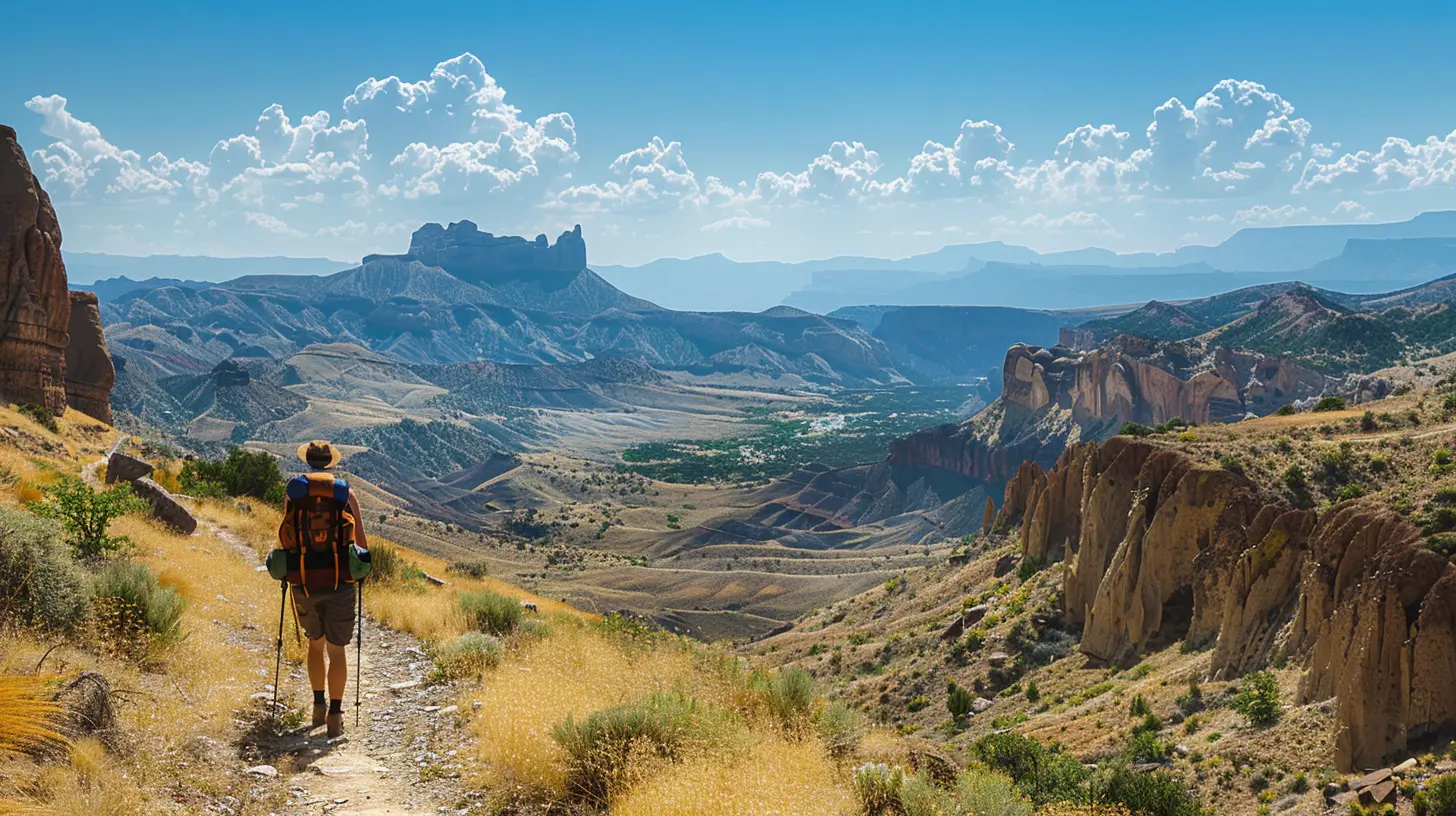
Welcome to the desert backcountry—the raw, untamed wilderness that’s as humbling as it is breathtaking. This is where the sky stretches wider, the air smells like freedom (and maybe a bit of dust), and the ordinary rules of time and space feel suddenly negotiable.
Whether you’re a seasoned adventurer or someone who's just craving a break from city lights, exploring the desert backcountry taps into something primal. It’s not just travel—it’s transformation.
Why the Desert? Isn’t It Just Hot and Empty?
Let’s get this out of the way first—yes, deserts can be brutally hot. And sure, at first glance, they might seem lifeless. But that’s like saying the ocean is just water. Once you spend some real time out there, you’ll start to see the desert differently.It’s not empty. It's peaceful. It's not dead. It's alive—just quieter about it.
From subtle color shifts at sunrise to wildlife darting between creosote bushes, every inch of desert backcountry holds a story. You just have to slow down long enough to hear it.

The Allure of Isolation
Ever notice how we’re constantly bombarded by noise? Phones, traffic, deadlines—the works. The beauty of the backcountry lies in its profound silence. It's a place where you reconnect… not with Wi-Fi, but with yourself.Out there, there’s no FOMO. No likes to chase. Just you, your thoughts, and maybe a lizard or two sharing your trail.
That kind of solitude? It’s rare. It’s gold. And trust me—it’s addictive.

Best Desert Backcountry Destinations in the USA
If your adventure radar is buzzing, here are some of the top spots in the States that deliver on big skies and even bigger solitude.1. Mojave National Preserve, California
Spanning over 1.6 million acres, Mojave is the poster child for “middle of nowhere.” You’ll find lava tubes, singing sand dunes, mysterious Joshua trees, and ancient petroglyphs. It's like walking through a living time machine.Bring extra water, a wide-brimmed hat, and prepare for long stretches without seeing another soul.
2. Grand Staircase-Escalante National Monument, Utah
This place feels otherworldly. Think red rock canyons, hidden arches, and winding slot canyons that barely fit a person. You might even stumble upon ancient fossils or Anasazi ruins.The area is remote, wild, and absolutely spectacular. GPS? Nice. But out here you’ll need map-reading skills too.
3. Big Bend National Park, Texas
Big Bend is no joke. It’s massive, it’s rugged, and it's spellbinding. The desert meets the Rio Grande, creating a stunning fusion of canyons, desert flats, and mountain ridges.You’ll likely camp without another tent in sight. Just coyotes and the sound of wind dancing through ocotillo stalks.
4. Death Valley National Park, California & Nevada
Don’t let the name scare you. Death Valley may be infamous for its heat, but it’s also home to some of the most striking desert scenery on Earth. Think salt flats that look like other planets, ghost towns, and star-studded night skies.Come winter or spring when temperatures are manageable, and prepare for surreal beauty that feels like stepping onto the moon.

What to Expect in the Backcountry
You might be imagining long hikes and stunning sunsets—and yes, you’ll get that. But desert backcountry demands respect.Here’s what you should be ready for:
● Total Disconnect
Most backcountry zones have no signal. No Instagram. No calls. It’s just… you. And it’s glorious.● Extreme Temperatures
Deserts play hardball. It can be scorching during the day and freezing at night. One moment you're sweating in the sun, the next you're layered up like you're in the Arctic.Always plan accordingly. The desert doesn't hand out second chances.
● Rugged Terrain
From loose sand to sharp rock and sudden drop-offs, the desert backcountry is no place for flip-flops. Good boots are essential. So is situational awareness—because that cactus isn’t going to move.Essentials for Your Desert Backcountry Adventure
Let’s pack, shall we? Whether you're hiking, backpacking, or overlanding, these essentials are your lifeline:🧂 Water, Water, and—More Water
Hydration isn’t optional. Double whatever amount you think you’ll need. Dehydration sneaks up fast in dry heat and can hit hard.🧭 Navigation Tools
A paper map and compass trump your GPS here. Batteries die, but good old-fashioned navigation skills won’t.🕶️ Sun Protection
That sun doesn’t quit. Pack SPF 50, sunglasses, a wide-brimmed hat, and lightweight long sleeves.🥾 First Aid Kit
Blisters, bites, sunburn—be ready for anything. A basic kit with antihistamines, bandages, and painkillers can be a trip-saver.🔦 Flashlight/Headlamp
Desert nights are pitch-black. Whether you’re pitching a tent or trying to find your way to the bush toilet, light is essential.🧡 Emergency Supplies
Pack a whistle, mirror, and extra food. You might not plan to get lost, but it's always smart to be prepared.
Things to Do in Desert Backcountry
So once you're out there, what do you actually do besides stare into space (which, by the way, is highly recommended)?Here are a few backcountry favorites:
🌄 Stargazing
Deserts are stargazer heaven. With zero light pollution, the night sky puts on a show that lights up your soul. Bring a telescope if you can. Or just lay on your back and wish on every shooting star.🥾 Hiking & Backpacking
Wander through canyons, scramble across ridges, or take a slow stroll under a blood-orange sky. Trails are often unmarked, so come prepared—but the rewards are next-level.📸 Photography
Golden hour in the desert? Chef’s kiss. The textures, shadows, and colors are pure art. You don’t have to be a pro to grab shots that make your mom say, “You should frame that.”📚 Journaling or Sketching
There’s something meditative about documenting your thoughts out there. With fewer distractions, your brain does this cool thing—it starts thinking in deeper ways.Safety First, Always
The thrill of remoteness is definitely part of the charm—but it also means you need to be extra cautious.Here are some golden rules:
- Leave an itinerary with someone—always.
- Start early, and avoid exertion in peak heat (usually 11 AM – 3 PM).
- Watch your step. Rattlesnakes, scorpions, and cacti don’t like being surprised.
- Respect wildlife. You're in their home. Admire from afar.
- Pack out everything you bring in. Leave no trace applies big time here.
When to Go
Most deserts are best visited in spring (March – May) and fall (September – November). Temperatures are more forgiving, and you might even catch a wildflower bloom—trust me, it’s magical.Summer? Only if you're experienced and prepared for extreme conditions.
The Mental Reset You Didn’t Know You Needed
There’s a strange peace that descends the moment you stop hearing the buzz of everyday life. It's like your brain finally exhales.Out in the desert backcountry, time moves differently. You think slower. Breathe deeper. Stress? It melts away like a mirage.
You're not just traveling—you’re remembering what it feels like to really be alive.
Final Thoughts
The desert backcountry isn’t for everyone—and maybe that’s the point. It’s raw. It's real. It's humbling as heck.But for those who embrace the dust, the silence, and the solitude, it offers a kind of freedom that’s impossible to find anywhere else.
So, what do you say? Ready to lose the noise and find yourself?
Just remember: in the desert, the beauty isn’t just in the views. It’s in the stillness, the simplicity, and the chance to be fully present.
all images in this post were generated using AI tools
Category:
Backcountry TravelAuthor:

Kelly Hall
Discussion
rate this article
2 comments
Signe McLain
This article beautifully captures the allure of desert backcountry. The stunning isolation and unique landscapes offer an unparalleled escape from the hustle and bustle, inviting adventurers to connect deeply with nature. A must-read!
December 7, 2025 at 5:02 AM
Kelly Hall
Thank you! I'm glad you resonated with the beauty and allure of desert backcountry. Your appreciation means a lot!
Kason McDougal
This article beautifully captures the profound serenity of desert backcountry. The isolation offers a chance to connect with nature and oneself—truly a transformative experience. Thank you!
December 1, 2025 at 5:34 AM
Kelly Hall
Thank you for your thoughtful comment! I'm glad you resonated with the article's themes of serenity and self-discovery in the desert backcountry.