How to Mentally Prepare for a Multi-Day Backcountry Hike
6 March 2026
Venturing into the wild for several days isn’t just a test of your physical endurance—it’s a mental marathon too. If you've ever stared at a trailhead with a pack bigger than your torso and a forecast that screams "unpredictable," you know what I mean. A multi-day backcountry hike is no walk in the park (pun intended). It’s a challenge that tackles your mind before it tires your muscles.
Why Mental Preparation Matters Just As Much As Physical Training
Sure, strength and stamina matter. But ask any seasoned backpacker what really gets you through the third consecutive day of hiking with blisters—and they'll point to your mindset.Physical strain is expected. But the mental hurdles? Those sneak up. You’ll face loneliness, uncertainty, fatigue, and moments where your brain will scream: _“Why am I doing this again?”_
Mental prep ensures that when the voice of doubt creeps in, you’ve got a louder one ready to talk you down. Let’s dive into how to actually strengthen that voice—and your overall mindset—before you hit the trail.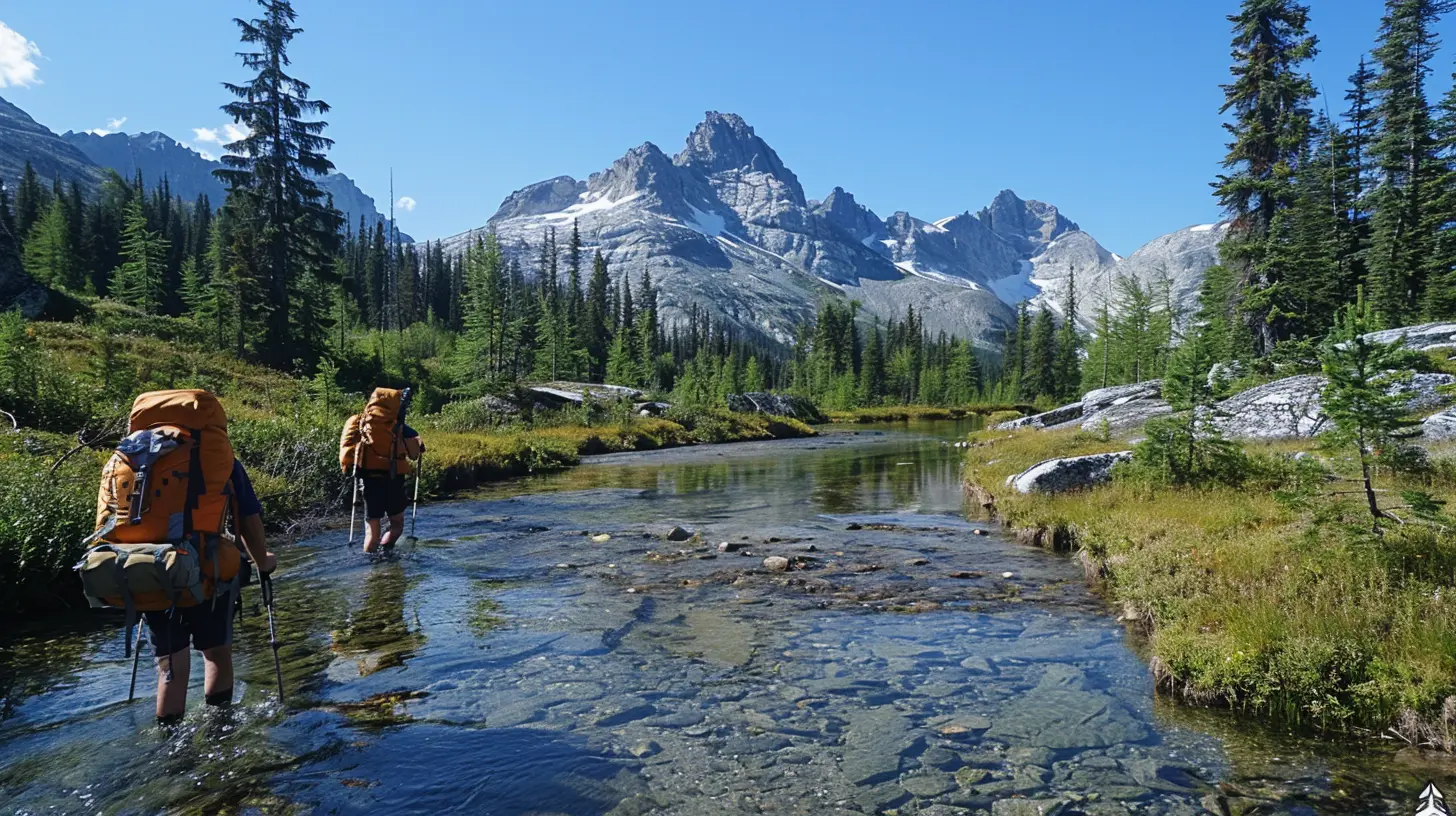
1. Know Your “Why”
Before lacing up those hiking boots, ask yourself a blunt question: _Why do I want to do this?_Are you looking for solitude? Trying to push your limits? Healing from burnout? Proving something to yourself?
Having a clear purpose grounds you. It’s your emotional compass when things get tough. Write it down on a sticky note and stick it inside your gear, maybe even on your phone screen. That little reminder can carry surprising weight when your pack starts feeling like a bag of bricks.
2. Visualize the Journey—Not Just the Destination
We often romanticize the summit or the final campsite. But the truth? Most of your time will be spent _getting there_.Try this mental trick: close your eyes and imagine the trail. Picture rain, rocky terrain, tired legs, or unexpected detours. Picture setting up camp, cooking when it’s windy, and even filtering water after sunset.
Why visualize the hard stuff too? Because when you mentally simulate discomfort, you’re less rattled when it actually happens. You’ve emotionally rehearsed, and that makes all the difference.
3. Practice Being Uncomfortable
Let’s be real, nature doesn’t care about your wifi addiction or how you feel about cold mornings.So, start with mental discomfort training:
- Go tech-free for a weekend. No phone. No streaming. Sit with your thoughts.
- Camp in your backyard or a local park. You’d be surprised how practicing with a tent in a quiet spot can unearth tiny fears you didn’t know you had.
- Cook and eat simple trail food (yes, peanut butter tortillas count).
- Walk in the rain or spend time in chilly conditions without reaching for instant comfort.
Small challenges off-trail prepare your mind to handle bigger ones when you’re days deep into the backcountry.
4. Set Realistic Expectations (And Then Lower Them… Slightly)
Expectations can be sneaky saboteurs. We go in thinking we're going to have some spiritual awakening, all while walking through pristine meadows with mountain goats smiling at us. Spoiler: the trail might be muddy, the bugs relentless, and silence a little too loud.Here’s the deal: mentally prepping means embracing uncertainty. Things won’t go 100% as planned. Gear might break. You might take a wrong turn. You might not feel that instant "connection to nature."
And that’s okay.
Lower expectations don’t mean lower enjoyment. They make room for surprise, resilience, and even humor when things go sideways.
5. Practice Mindfulness (Yes, That Includes Boredom)
Backcountry hikes leave you disconnected from modern noise. But in that quiet, your brain may suddenly flood you with worries, overthinking, or even just, well... boredom.Mindfulness helps here. Simply put, it's the practice of being aware without judgment.
- Notice your breath while hiking.
- Observe how your body feels after each mile.
- Listen to the wind or the crunch of your steps.
And yes, accept boredom. Letting your mind wander without distractions is a rarity today. It’s in these quiet moments that you often find the clarity—and strength—you didn’t know you had.
6. Reframe Negative Thoughts
Your mindset will be tested. Maybe it’s mile 12, or day 4, or after a downpour. Negativity is inevitable.But mindset mastery isn’t about avoiding negative thoughts—it’s about reframing them.
Instead of:
> “I’m exhausted, I can’t go on.”
Try:
> “I’m tired, but I’ve made it this far. I’ll take one more step.”
Instead of:
> “This is miserable.”
Try:
> “I’m learning how to thrive in discomfort.”
Words matter. The story you tell yourself shapes how you experience the trail.
7. Embrace Solo Time (Even If You’re Not Alone)
Whether you’re hiking solo or with friends, backcountry travel often includes long, quiet stretches. No small talk. No stimulation. Just you and your thoughts.For some, this is heaven. For others, it’s scary.
Prepare for solitude before you go:
- Journal your thoughts.
- Talk aloud to yourself (seriously—it helps).
- Create a mental "playlist" of thoughts or memories to revisit.
Solitude builds mental clarity. And with a little practice, it turns into one of hiking’s greatest rewards.
8. Create Mental Checkpoints
When a trail stretches endlessly into the horizon, breaking it down helps.Set up mental checkpoints. Maybe it’s “make it to lunch,” “reach the next water source,” or “walk until that group of pine trees.”
This keeps your brain from feeling overwhelmed. You’re not hiking 40 miles—you’re just hiking to a snack break. Then another. Then dinner. Easy.
Baby steps work—even when you’re a grown-up with trekking poles.
9. Accept Fear—and Hike With It Anyway
Fear is part of the deal. Afraid of getting lost? Of bears? Injuring yourself miles from help?Valid. But fear doesn’t have to lead.
Acknowledging fear gives it less power. Write them down. Talk about them with someone experienced. Research and learn how to handle worst-case scenarios.
Preparation reduces fear. But courage? That’s something you’ll carry every step of the way.
10. Build A Pre-Trail Ritual
Rituals ground us. They signal our brain that we're entering a new mindset.Before your big hike, create a routine:
- Pack your gear with intention.
- Meditate or sit quietly the night before.
- Read a favorite quote, poem, or journal entry.
Your pre-hike ritual becomes a mental doorway—one where you step from regular life into trail mode. It’s transitional armor.
11. Celebrate Small Wins (Not Just Big Milestones)
On the trail, the little things matter. A dry pair of socks. A perfect sunrise. That first sip of coffee. Celebrate them all.Noticing these small victories shifts your mindset from survival to appreciation. You’ll stop measuring success by miles and instead by moments.
And let’s be honest—those are the bits you’ll remember long after the hike is over.
Final Thoughts: The Trail Begins In Your Mind
Preparing for a multi-day backcountry hike isn’t just about gear or miles under your hiking boots. It begins with your mindset. That internal landscape—how you handle discomfort, embrace challenge, and reframe adversity—will shape your entire experience.So train your body, yes. But train your mind more. Because out there, when the silence is deafening and the path ahead feels endless, your mental stamina becomes your most dependable trail mate.
Ready? You’ve got this. Every journey begins with a single thought—and yours is already a powerful one.
all images in this post were generated using AI tools
Category:
Backcountry TravelAuthor:

Kelly Hall
Discussion
rate this article
2 comments
Martha Harper
This article beautifully captures the essence of preparing for a multi-day backcountry hike. The mental preparation tips are invaluable, reminding us that it's not just about the physical journey but the mental resilience we build along the way. Thank you for sharing such thoughtful advice! Happy hiking!
March 6, 2026 at 3:36 PM
Kelly Hall
Thank you for your kind words! I'm glad you found the mental preparation tips helpful. Happy hiking!
Tia Russell
Feeling adventurous? Before you hit the trails, remember: hiking is 90% mental and 10% snacks! Pack your favorite goodies, channel your inner bear (the chill kind, not the growly), and visualize those stunning views. It’s all about the journey, not just the blisters! Happy hiking!
March 6, 2026 at 3:20 AM
Kelly Hall
Absolutely! A positive mindset and tasty snacks can make all the difference on the trail. Happy hiking!