Renting a Car for Cross-Country Travel: What to Prepare For
30 July 2026
Thinking about hitting the open road for an epic cross-country adventure? Renting a car for such a journey can be an exciting and practical choice, but it comes with its fair share of preparations. If you're not careful, things can go south pretty quickly—from unexpected fees to mechanical issues. So, before you grab the keys and zoom off, let’s go over everything you need to know to ensure a smooth and stress-free ride. 
1. Choosing the Right Car for the Journey
Not all rental cars are created equal, and when you're planning a long-haul trip, you’ll want the right set of wheels.Compact vs. SUV vs. Luxury
- Compact Cars: Great for fuel efficiency but can be uncomfortable for long hours.- SUVs: Perfect for extra comfort, especially if you’re carrying luggage or traveling with family.
- Luxury Cars: Ideal for those who want a smooth and stylish ride, but they come with a higher rental price.
Think about the terrain you’ll be covering. If you’re sticking to highways, a sedan will do just fine. But if you’ll be venturing off-road or through rough weather conditions, an SUV with all-wheel drive might be a better pick. 
2. Understanding Rental Requirements
Car rental companies have certain rules you need to follow. Here’s what you should have ready:Age Restrictions
Most companies require drivers to be at least 21 years old, but some might charge extra fees for drivers under 25.Driver’s License & International Permits
A valid driver’s license is a no-brainer. But if you're renting a car in a foreign country, you may need an International Driving Permit (IDP).Credit Card for Deposit
Rental companies usually place a hold on your credit card, often amounting to several hundred dollars. Make sure you have enough available credit!
3. Rental Insurance: Do You Really Need It?
Ah, rental insurance—the classic debate. Should you opt for the extra coverage or save some cash? Let’s break it down:Types of Rental Insurance
- Collision Damage Waiver (CDW): Covers damages to the rental car.- Liability Insurance: Covers damages to other vehicles and people in an accident.
- Personal Accident Insurance: Covers medical expenses for you and your passengers.
- Roadside Assistance: Covers towing, flat tires, or a dead battery.
Check Your Existing Coverage
Before purchasing anything, call your auto insurance provider and credit card company—they might already provide coverage for rental cars.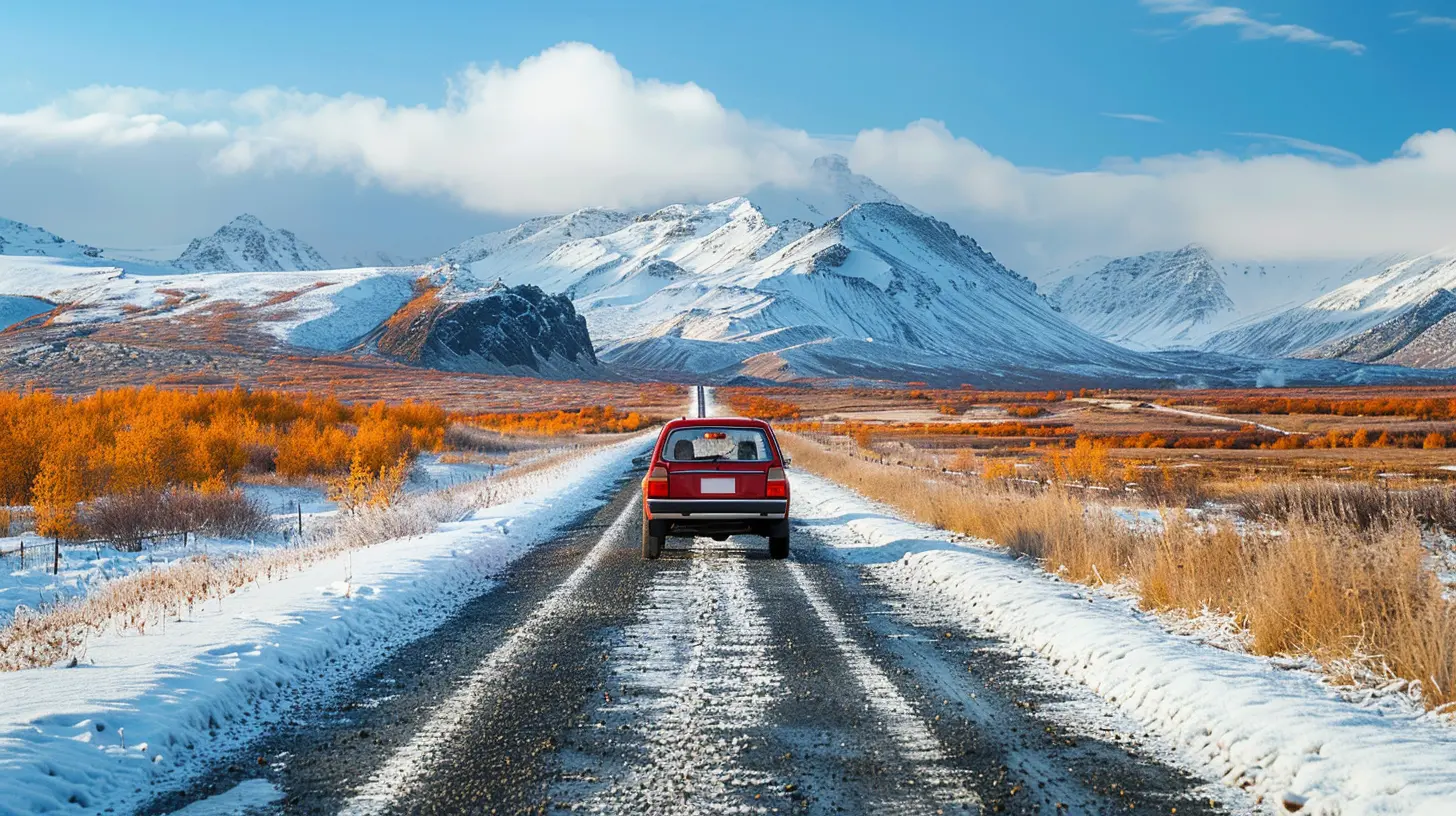
4. Planning Your Route and Stops
A cross-country trip isn’t just about getting from Point A to Point B—it’s about the journey itself.Use a GPS but Carry a Paper Map
Technology can fail. A dead phone battery or a lost signal could leave you stranded. Carry a paper map as a backup.Plan Rest Stops
Driving for hours on end will tire you out. Plan rest breaks every 2-3 hours to stretch, grab food, and refuel.Know Your Gas Stations
If you're driving through remote areas, gas stations can be few and far between. Keep an eye on your fuel level and fill up whenever you get the chance.5. Budgeting for Your Trip
Cross-country travel can get expensive, and a rental car adds another layer to your expenses.Fuel Costs
Fuel prices fluctuate, and gas guzzlers can burn a hole in your wallet. Use apps like GasBuddy to find the cheapest fuel near you.Rental Fees & Hidden Costs
Read the fine print! Some annoying fees to watch for:- Additional driver fee
- Toll fees
- Young driver surcharge
- Drop-off fees if returning to a different location
Tolls & Parking
Check if your route has toll roads and whether your rental includes toll transponders. Also, research parking fees, especially in big cities.6. Packing Essentials for the Road
Don’t just rely on the rental car company to have everything you need. Here’s a checklist for essential items:Car-Related Items
✔ Spare tire and jack✔ Jumper cables
✔ Flashlight and extra batteries
✔ First-aid kit
✔ Windshield sunshade
Personal Comfort & Safety
✔ Snacks and water✔ Sunglasses
✔ Phone charger and power bank
✔ Travel pillow and blanket
✔ Emergency contact list
A little preparation goes a long way. You don’t want to be caught in the middle of nowhere wishing you’d packed extra water or a flashlight.
7. Knowing the Rules of the Road
Each state (or country) may have different driving laws. Some things to keep in mind:- Speed limits can vary drastically.
- Some states don’t allow turning right on red.
- Parking laws in cities can be confusing—double-check signs.
- Drinking laws and open container laws are stricter in certain areas.
To avoid any "uh-oh" moments, do a quick search on the basic driving laws of the places you’ll be passing through.
8. Handling Emergencies on the Road
Sometimes, things go wrong. Maybe you get a flat tire, run out of gas, or, worst-case scenario, get into an accident.What to Do If You Break Down
- Pull over safely.- Turn on your hazard lights.
- Call roadside assistance (check if your rental includes this).
- Stay inside the car if you're on a busy road.
In Case of an Accident
1. Check for injuries and call emergency services if needed.2. Take photos of the damage and surrounding area.
3. Exchange information with the other driver.
4. Inform the rental company as soon as possible.
A little proactive preparation can save you from major headaches.
9. Returning the Car: Avoid Extra Charges
When it’s time to return your rental, don’t rush it—last-minute mistakes can cost you.Refill the Gas Tank
Most companies require you to return the car with a full tank. If you don’t, they’ll charge you, often at inflated fuel prices.Check for Damage
Do a walk-around inspection before handing over the keys. If there’s any damage, report it immediately.Return on Time
Late returns often result in extra daily charges. If you're running late, call ahead to negotiate.Final Thoughts
Renting a car for cross-country travel can be an incredible experience, offering freedom, flexibility, and adventure unlike any other mode of travel. But, to keep your trip stress-free, you need to be prepared. From choosing the right vehicle to understanding insurance, budgeting, and handling emergencies, a little planning goes a long way.So, buckle up, turn on your favorite road trip playlist, and enjoy the journey!
all images in this post were generated using AI tools
Category:
Car RentalsAuthor:

Kelly Hall