The Rhythm of Rio: Brazil’s Local Music Scene in 2027
15 April 2026
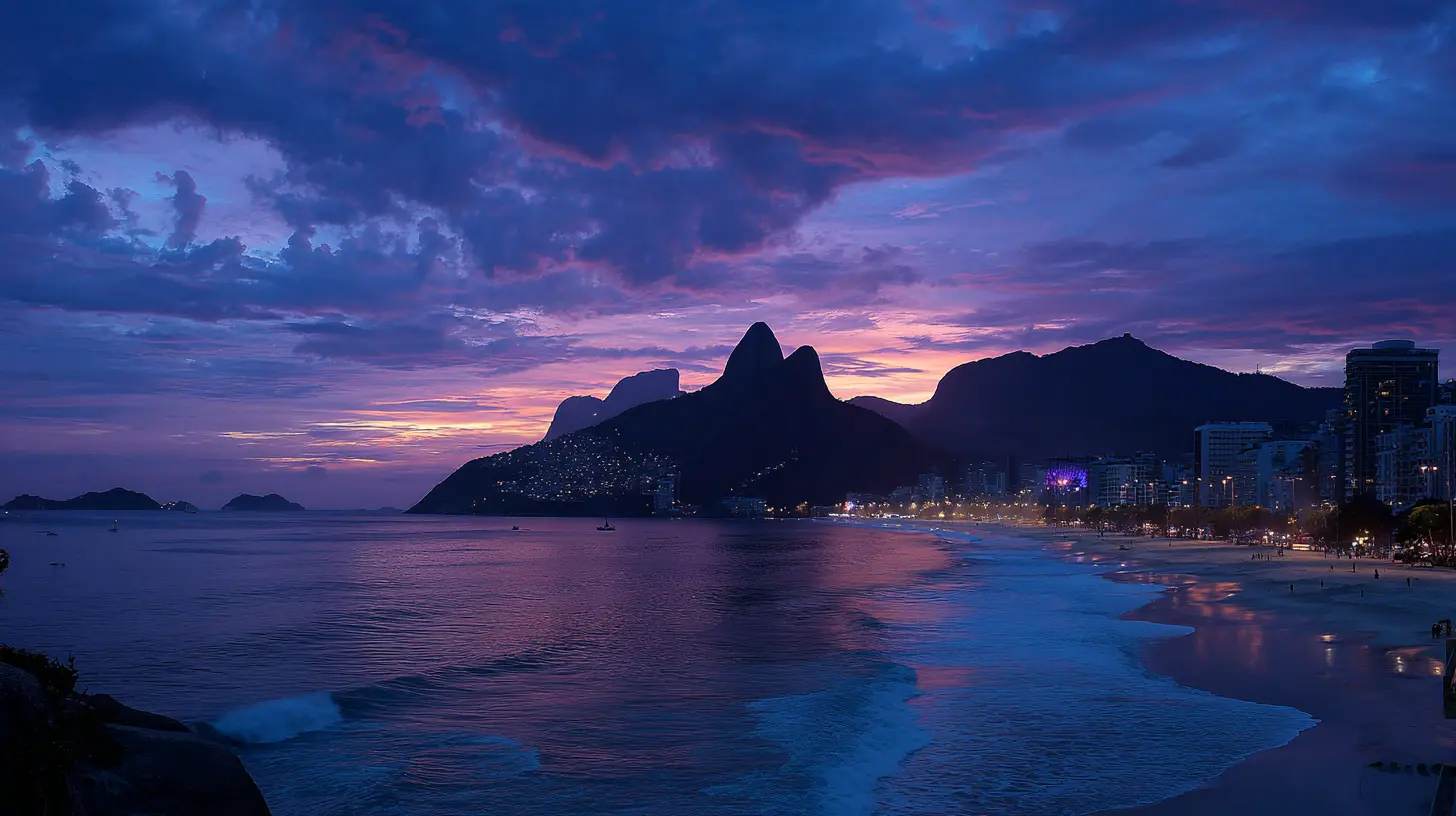
Let’s get one thing straight right off the bat: Rio de Janeiro doesn’t just have music. It is music. The city doesn’t simply play songs; it breathes rhythm, it sweats melody, and its heartbeat has always been a syncopated samba beat you feel in your chest before you even hear it. But here’s the thing about a heartbeat—it evolves, it adapts, it picks up new rhythms while keeping its core tempo. And that, my friends, is the electrifying story of Rio’s local music scene in 2027. It’s not a museum piece preserved under glass; it’s a living, pulsing, and gloriously messy explosion of sound that honors its roots while fearlessly sprinting into the future. Forget the postcard images for a second. Let’s dive into the real, resonant, and utterly captivating soundscape of today’s Rio.
The Unshakeable Foundation: Samba’s New School
You can’t talk about Rio without talking about samba. It’s the city’s musical DNA. But walk into a roda de samba in 2027, and you’ll notice something fascinating. The classic, heart-tugging melodies of Cartola and the powerful percussion of Portela are still sacred texts, recited with reverence. Yet, the voices singing them are weaving in new verses. The themes? They’re still about love, longing, and saudade, but now they’re also about urban life, digital anxiety, and environmental hope.I spent a Friday night in a crowded, humid basement in Lapa, where a young group called Samba de Silício (Silicon Samba) was holding court. The cavaquinho danced with traditional phrases, but the pandeiro player had a subtle electronic pad at his feet, adding textured layers that sounded like the city’s ambient noise—the hum of the metro, the crackle of old streetlights. The lead singer, a woman with a voice like aged cachaça, sang about her grandfather’s botequim and her own struggles with algorithm-driven loneliness. It was profound. It was proof that samba isn’t a relic; it’s a language, and in 2027, it’s being used to tell brand new, urgently relevant stories. The foundation is solid, but the house being built on it has a stunning, modern architecture.
The Digital Carnival: Funk, Favela, and the Global Stage
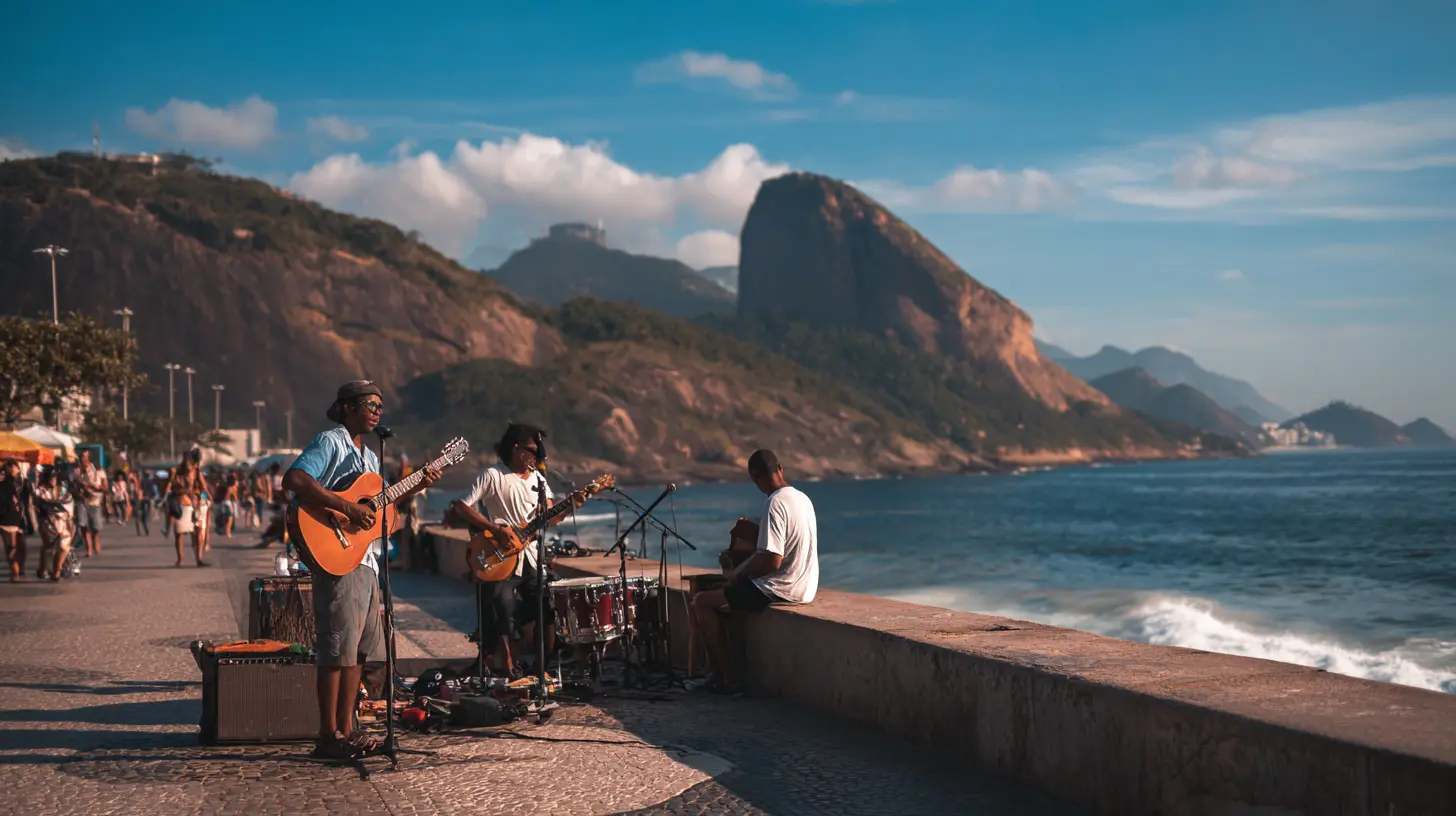
Now, let’s shift gears—drastically. If samba is the city’s soul, funk carioca is its defiant, unstoppable nervous system. And by 2027, it has completed its journey from favela sound to global cultural phenomenon, but on its own fiercely independent terms. The baile funk is no longer just a local party; it’s a hyper-localized, digitally-streamed, genre-blending powerhouse.I witnessed this at a baile in Complexo do Alemão. The DJ wasn’t just playing tracks; they were conducting a live, sonic collage. The iconic tamborzão beat dropped, but it was spliced with samples of Afro-Brazilian ijexá rhythms, the synth lines of 80s Brazilian synth-pop, and even snippets of drill music from Chicago. The MCs, charismatic and lightning-fast, rhymed about community pride, social justice, and joy as an act of resistance. What hit me wasn’t just the sheer energy (which was enough to power the entire city for a week), but the business. Kids were live-streaming the entire event on decentralized platforms, selling their own digital merch (NFTs of iconic dance moves), and collaborating in real-time with producers in Lisbon and Tokyo. Rio funk in 2027 isn’t waiting for the world to notice it; it’s building its own worldwide network, brick by digital brick.
The Sonic Alchemists: Genre is a Suggestion
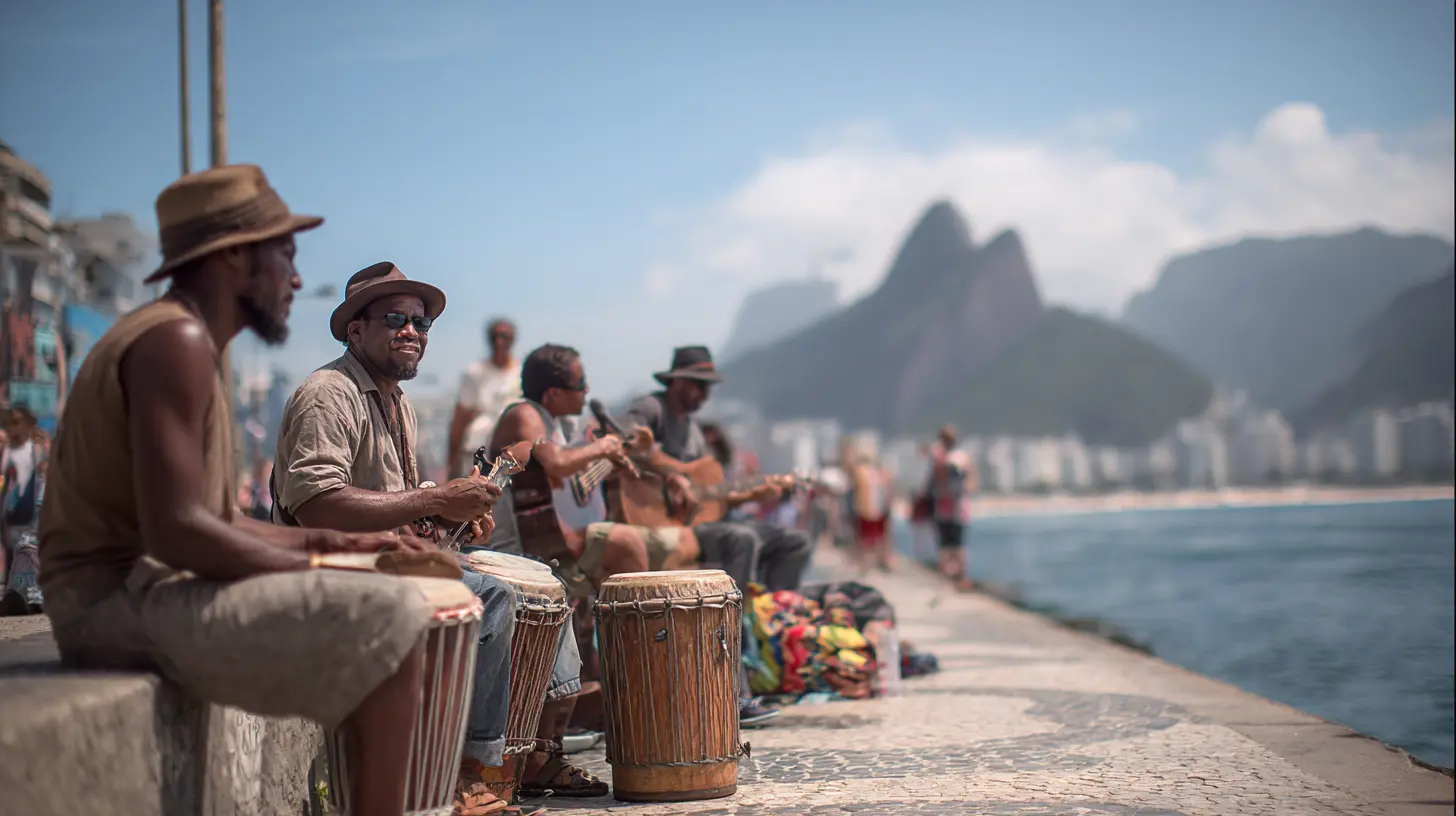
Perhaps the most thrilling pulse in Rio’s 2027 scene comes from the artists for whom “genre” is just a starting point for alchemy. These are the sonic chefs taking a pinch of bossa nova, a cup of MPB (Música Popular Brasileira), a splash of hip-hop, a heavy dose of electronic music, and indigenous instrumentation, and creating a feast you’ve never tasted before.In a sleek, intimate club in Botafogo, I heard a duo called Barulho do Mar (Sea Noise). She played a berimbau—an instrument with centuries of history tied to capoeira—run through a pedalboard that made it sound like a spaceship taking off. He manipulated field recordings of the Atlantic Ocean crashing against the rocks of Arpoador. Over this, they layered soft, poetic vocals that felt like a 22nd-century Caetano Veloso. The crowd, a mix of older jazz aficionados and Gen Z digital artists, was utterly mesmerized. This is the sound of cultural confidence. It’s the sound of a new generation saying, “All of this is ours. The ancient, the modern, the local, the global. We will mix it with respect and audacity.”
The Spaces Where Music Lives: From Becos to High-Tech Hubs
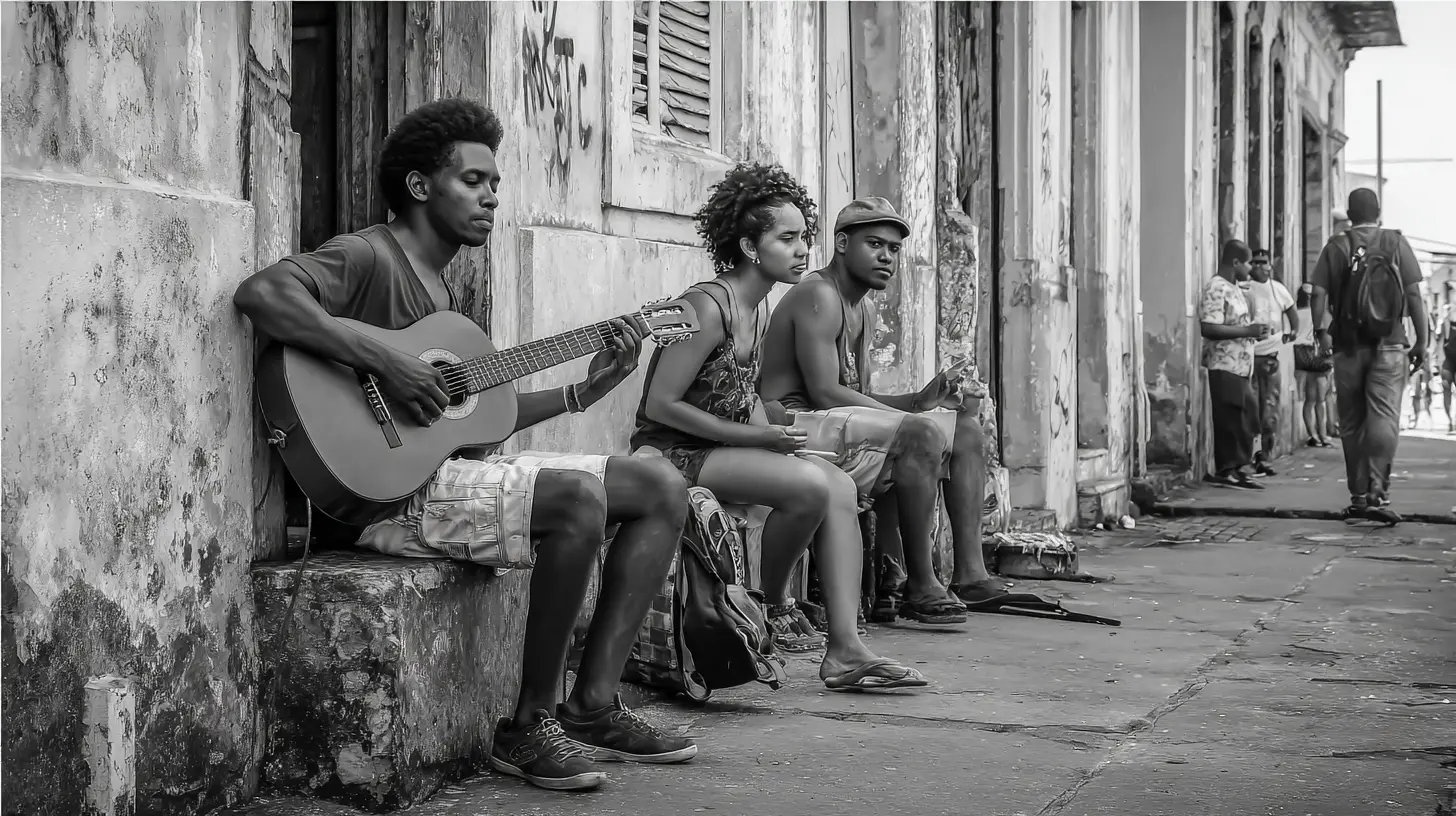
The venues themselves tell a story of beautiful juxtaposition. Yes, the legendary Pedra do Sal still hosts magical Monday night samba circles under the open sky, where the history is so thick you can almost see the ghosts of past sambistas dancing. But a 20-minute Uber ride away, in the regenerated port district of Porto Maravilha, you’ll find Casa de Ouro, a former warehouse turned into a smart-venue.Here, acoustic panels shaped like Amazonian leaves adjust in real-time to optimize sound. Augmented reality glasses (optional, of course) can visualize the music’s waveform or translate lyrics on the fly. The stage might host a traditional choro ensemble one night and a live-coding electronic artist the next. The point is, the space serves the music, not the other way around. In Rio, the most memorable concert might still be the one you stumble upon in a narrow beco (alleyway) in Santa Teresa, where the sound of a guitar and two voices bouncing off colonial-era tiles creates a perfect, accidental acoustic chamber. The city itself is the ultimate venue.
The Heartbeat is Human: Community and Axé
With all this tech and fusion, what keeps it all grounded? The answer is the same as it’s always been: community and axé. Axé is that untranslatable Brazilian concept—a spiritual life force, a positive vibration, a blessing of energy. In Rio’s 2027 music scene, axé is the currency.It’s in the community studios in favelas, where veteran producers mentor kids, teaching them sound engineering using open-source software. It’s in the vinyl revival happening in Ipanema’s niche record stores, where young people are rediscovering the warm crackle of Jorge Ben and Elza Soares alongside pressing new local acts. It’s in the ecological sound projects, where musicians create compositions using only sounds from the recovering rainforest of Tijuca, raising awareness and funds. The music is a connective tissue. It’s not just about producing hits; it’s about sustaining the cultural and social ecosystem. A new song isn’t just a track; it’s a node in a network of people, history, and place.
So, What’s the Real Rhythm of Rio in 2027?
It’s polyrhythmic. It’s multiple tempos existing in beautiful, chaotic harmony. It’s the steady, comforting 2/4 time of samba holding hands with the fractured, hyper-speed breakbeats of funk. It’s the analog warmth of a vinyl record meeting the infinite possibilities of a digital audio workstation.Coming to Rio now isn’t about hearing a single, monolithic sound. It’s about tuning your ear to a magnificent, complex frequency where every neighborhood has its own station. You’ll hear the future being composed in real-time, but you’ll feel the deep, ancestral past in every beat. The rhythm of Rio in 2027 is, ultimately, the rhythm of resilience and joyous reinvention. It’s a city that sings its history at the top of its lungs while simultaneously writing the next verse. And trust me, you’re going to want to lean in and listen.
all images in this post were generated using AI tools
Category:
Local Music ScenesAuthor:
Kelly Hall
Discussion
rate this article
2 comments
Nancy McManus
Incredible insights into Rio's vibrant music scene! It’s inspiring to see how local artists are shaping Brazil's cultural landscape in 2027. Your passion for the rhythm and energy of this city shines through. Can't wait to experience it all firsthand! Keep sharing this magic!
April 16, 2026 at 3:41 AM
Kelly Hall
Thank you for your enthusiastic comment! I'm glad you found the insights inspiring—Rio's music scene is truly magical. I hope you experience it firsthand soon!
Ariana Bass
What an exciting glimpse into Rio's vibrant music scene! It’s wonderful to see how the rhythms of the city continue to evolve, blending tradition with modern influences. Your insights truly capture the essence of Brazil’s cultural heartbeat. Can’t wait to experience this lively atmosphere firsthand! Thank you for sharing!
April 15, 2026 at 3:51 PM
Kelly Hall
Thanks so much! So glad you felt the energy—Rio's beat is truly one of a kind. Hope you get to experience it live soon! 🎶