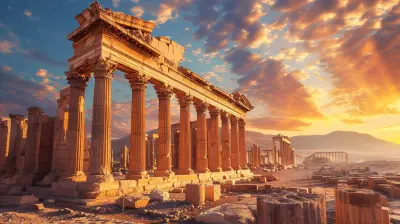
The Role of Historic Gardens and Landscapes in World Heritage
8 January 2026
We often think of world heritage as ancient monuments, majestic temples, or fascinating old cities. But what if I told you that some of the most vital chapters of our human story were written in the soil of historic gardens and landscapes? These green spaces are more than just pretty backdrops. They're living museums, time travelers, and storytellers — all rolled into one.
In this post, we're digging deep (pun intended) into the roots of historic gardens and landscapes. Why are they so important? What do they tell us about our cultures, our past, and even our future? Grab a cup of coffee or your favorite tea, because we’re about to take a stroll down the garden path — and it’s a path lined with history, mystery, and meaning.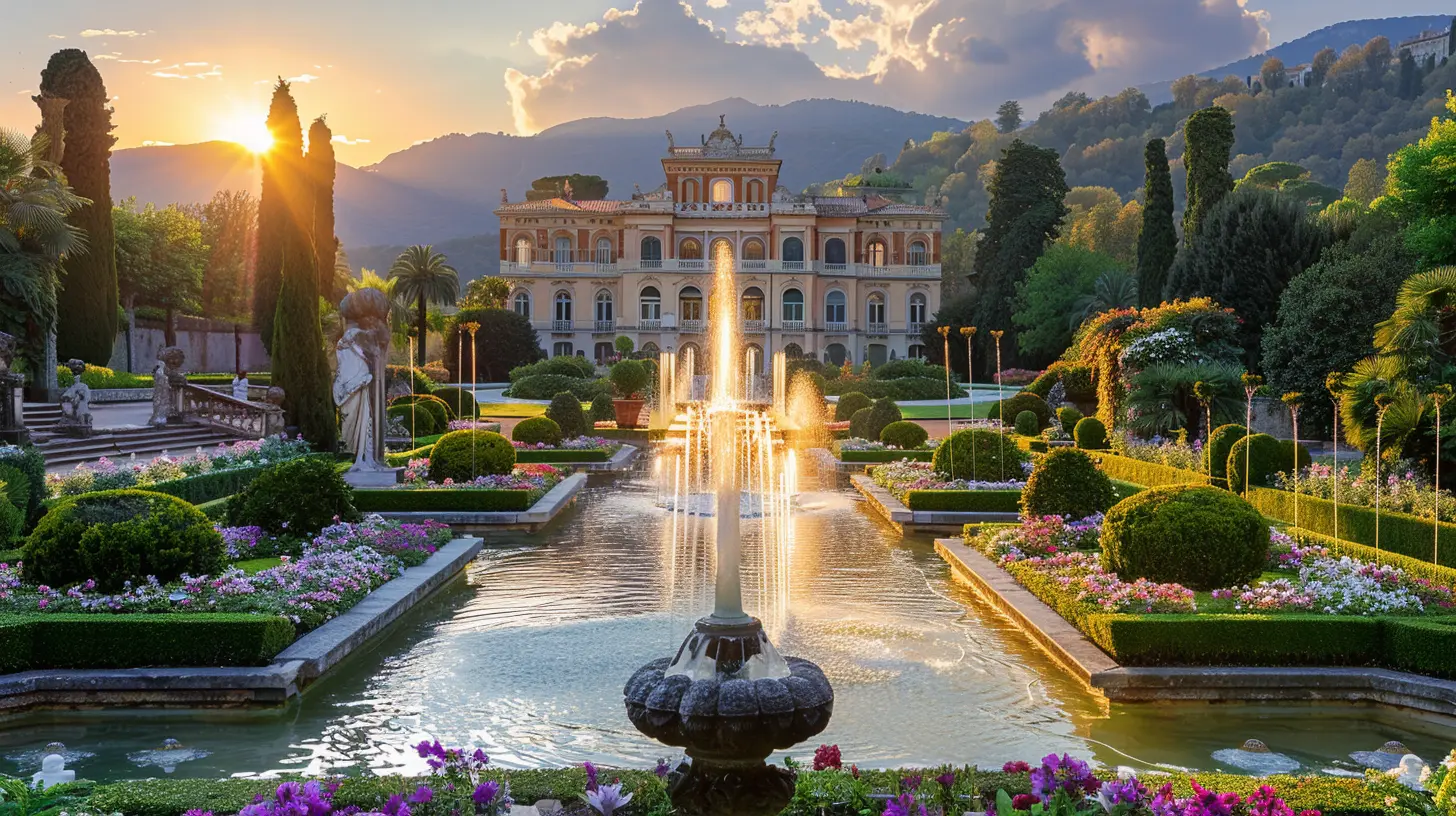
What Are Historic Gardens and Landscapes Anyway?
Let’s start simple. A historic garden or landscape isn’t just any green patch with a few old trees and statues. These are thoughtfully designed spaces that reflect the cultural, aesthetic, social, and even political vibes of their time. Think of them as green canvases where artists, architects, and botanists painted with plants.From the symmetrical beauty of the Versailles Gardens in France to the zen tranquility of Kyoto’s Ryoan-ji Temple Garden, every historic landscape tells a unique story. These gardens took decades — sometimes centuries — to develop and maintain. They weren't just for show; they rooted people in place and time.
Some were royal playgrounds, others were sacred spaces, and a few doubled as scientific labs for experimenting with plants from around the world. Pretty cool, right?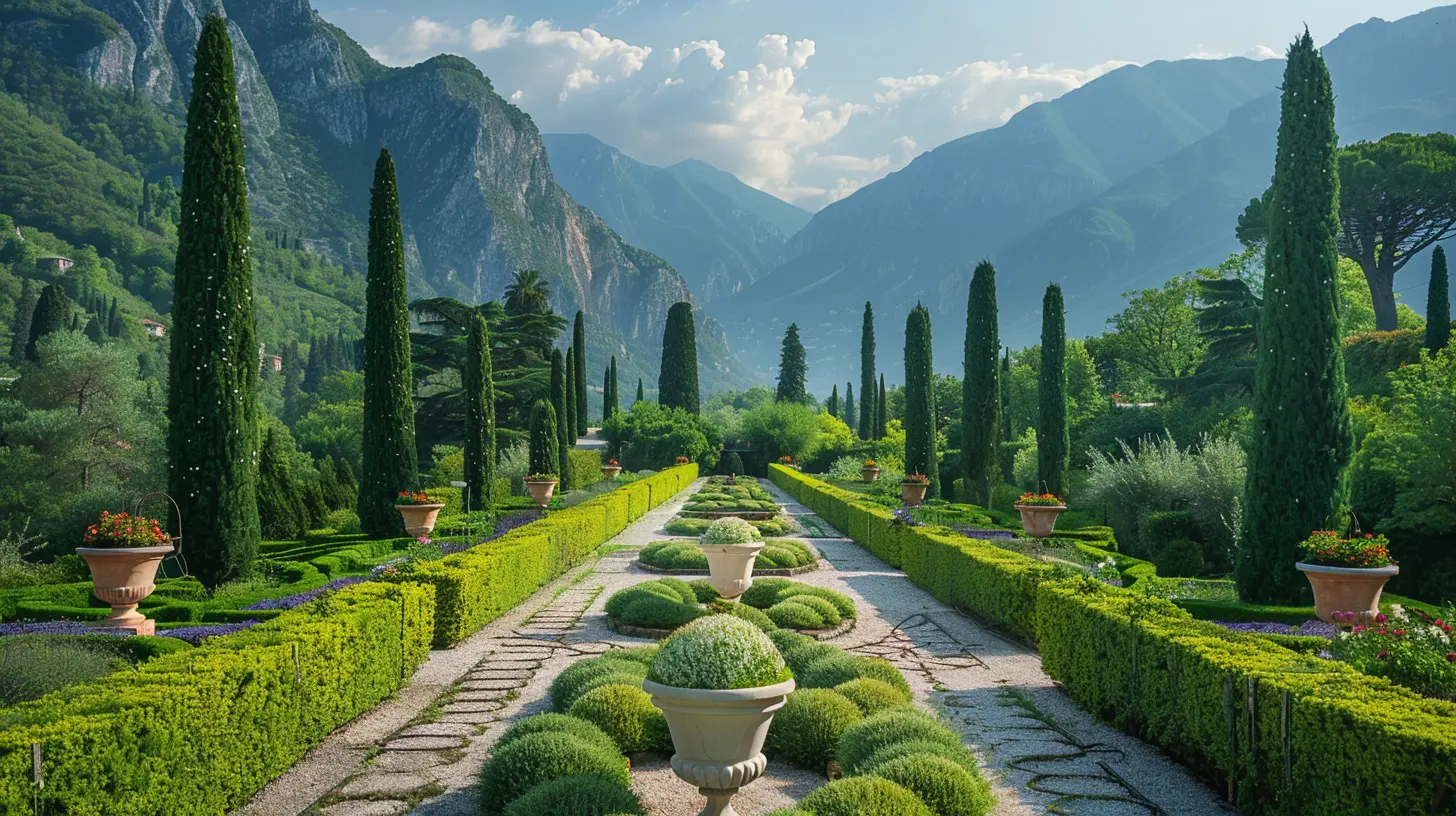
Why Are They On the World Heritage List?
So, what's the big deal? Why does UNESCO care about gardens?Well, for starters, these landscapes preserve human ingenuity. While a castle might show a king’s power, a royal garden shows the soul of an era. The layout, the water features, the choice of plants — they all reflect the values, technologies, and even beliefs of their time.
UNESCO adds sites to the World Heritage List because they represent something of “outstanding universal value.” If that sounds like a mouthful, it basically means: “This place isn't just cool for locals; it's a treasure for everyone.”
And historic gardens? They qualify because they often:
- Represent masterpieces of human creative genius.
- Show the interchange of human values across cultures.
- Provide testimony to a cultural tradition or civilization.
- Are directly associated with artistic and literary works of outstanding value.
In short, they tick a lot of important boxes.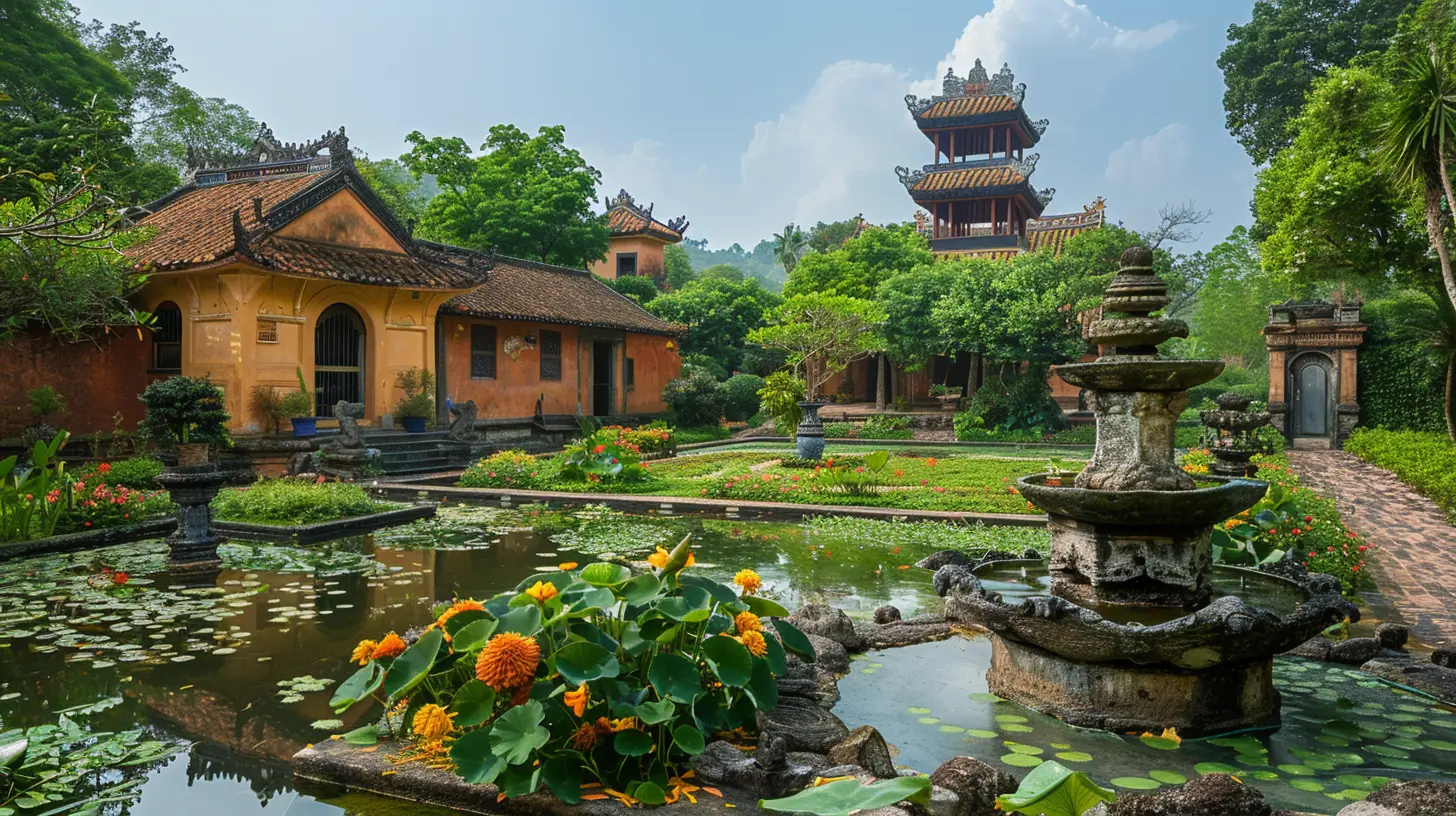
Green Spaces That Speak Volumes: Famous Examples
Let’s look at some iconic gardens and landscapes that have earned world heritage status — and with good reason.1. Versailles, France
Ah, the Gardens of Versailles. The ultimate symbol of French grandeur. Designed by André Le Nôtre in the 17th century, this landscape mirrors the absolute power of Louis XIV. Geometric patterns, perfectly trimmed hedges, and elaborate fountains speak volumes about control, beauty, and ambition.But beyond the aesthetics, Versailles shaped garden design all over Europe. It was the original “influencer garden.”
2. Villa d’Este, Italy
Located in Tivoli, Italy, this garden is basically the rock concert version of a Renaissance landscape. With over 500 fountains, gushing water features, and a lush display of terraces, Villa d’Este is a drama queen — in the best way. It tells you all about the Italian Renaissance’s obsession with art, power, and human achievement.3. Ryoan-ji, Japan
Switching gears to something far more minimal, Ryoan-ji’s dry garden is a rock-and-rake masterpiece. Created in the late 15th century, it’s a prime example of kare-sansui, or Japanese Zen gardens. No flowers, no fountains — just rocks and gravel arranged in a way that encourages meditation.It’s a stunning reminder that silence can be just as powerful as sound.
4. Sintra Cultural Landscape, Portugal
Sintra is a blend of gardens, forests, palaces, and mystical vibes. This Portuguese site is a bit like a real-world fairy tale with Moorish, Gothic, Renaissance, and Romantic styles all coexisting in harmony. It reflects centuries of cultural shifts — and looks like something straight out of a Tolkien novel.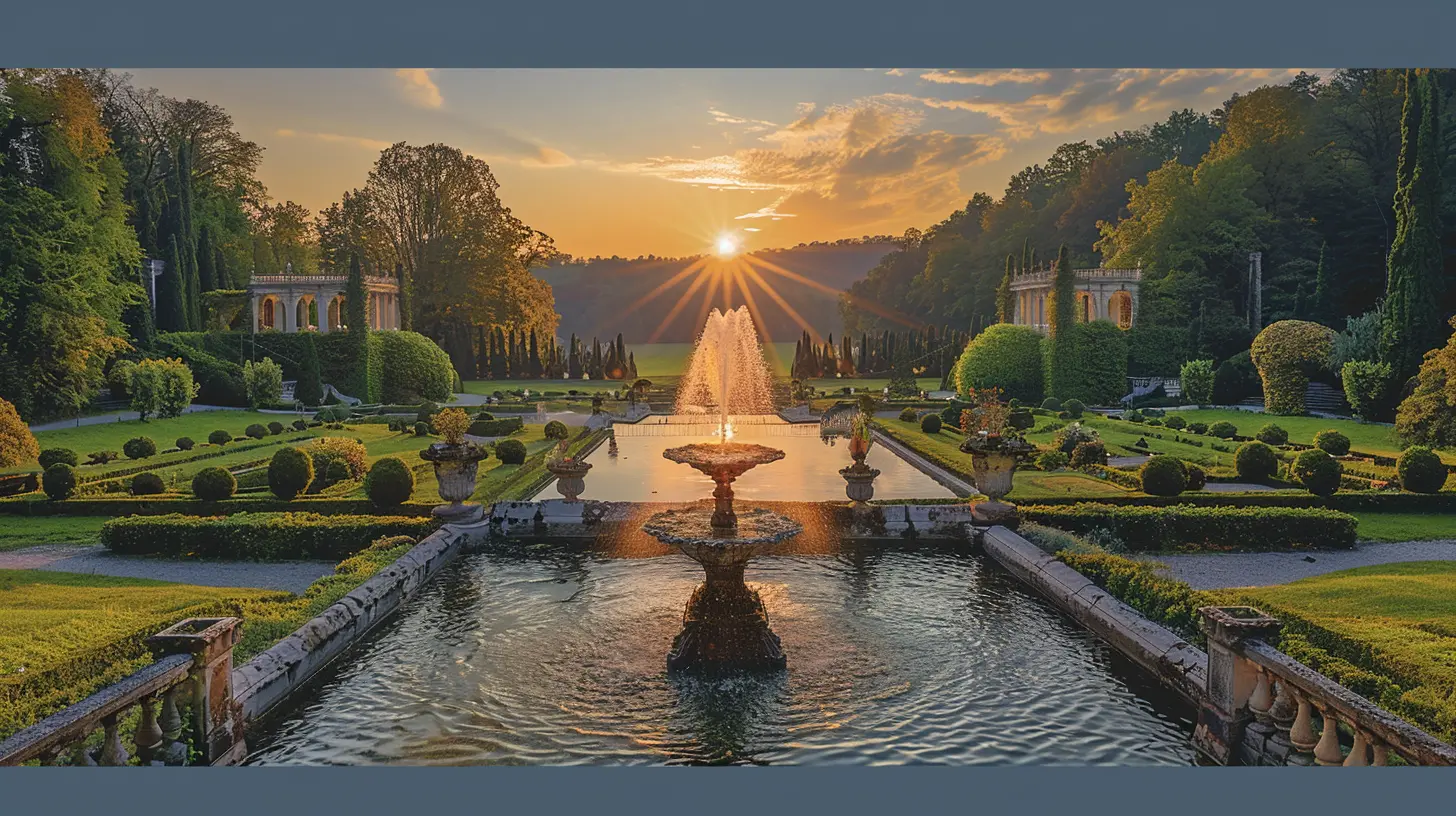
Nature and Culture: A Love Story
Here’s where it gets deeper. Historic landscapes aren’t just about looking pretty. They show how humans and nature can live in dynamic balance. In an age where climate change and urban sprawl are hot topics, these sites offer a historical blueprint for sustainable coexistence.Ever heard of “cultural landscapes”? It’s a term UNESCO uses for places that show the interaction between people and their natural environment. These can be mountain terraces in Peru, vineyard-covered hills in France, or sacred groves in India.
Gardens, in this sense, are more than art — they’re adaptive, responsive ecosystems sculpted by human hands. It’s a delicate dance between control and surrender.
Threats in Paradise: What's At Risk?
Not to burst your garden bubble, but these historic landscapes face serious threats.- Urbanization: Expanding cities often gobble up green spaces. Sometimes even protected sites face pressure from construction and tourism overload.
- Climate Change: Changes in rainfall and temperature affect the plants, wildlife, and even the structural integrity of these gardens.
- Neglect and Mismanagement: Maintaining a historic garden is expensive and time-consuming. Without the right expertise and funding, many fall into disrepair.
- Over-Tourism: Ironically, the same admiration that gets these sites listed can harm them. Too many visitors can damage pathways, pollute water features, and stress local ecosystems.
So, what can we do? Glad you asked.
Preserving the Past, Cultivating the Future
Protecting historic gardens isn’t just about fencing them off and charging entry fees. It’s about education, innovation, and community engagement.- Restoration Projects: Many gardens have been lovingly restored using historical records, paintings, and even old plant inventories. Technology plays a big role too — think drones, GIS mapping, and climate modeling.
- Cultural Programming: Hosting events, workshops, and tours that highlight the garden’s history can keep the public emotionally invested.
- Sustainable Practices: Integrating organic gardening methods, water conservation, and native plants helps adapt these landscapes to modern environmental challenges.
In short, the best way to preserve these spaces is by keeping them alive — not just as artifacts, but as active, evolving places that still serve communities today.
Travel with Purpose: How Can Tourists Help?
Yep, I’m looking at you — the traveler, the wanderer, the garden lover.If you're visiting a world heritage-listed garden or landscape, there are a few simple things you can do:
- Stay on paths: It’s tempting to step into that perfect field of flowers, but imagine if a hundred people did that every hour. Yikes.
- Observe signs and rules: They're there to protect sensitive areas — not to spoil your Instagram pic.
- Support local initiatives: Buy from garden cafes, take guided tours, or donate to conservation efforts.
- Be curious: Ask questions, listen to guides, read the plaques. Engaging with the story behind the place makes the experience 10x richer.
Why It Matters More Than Ever
At the end of the day, historic gardens and landscapes are a form of storytelling. They remind us that humans have always shaped the world around them — not just for utility, but for beauty, symbolism, and spiritual connection.In a world that moves at breakneck speed, these timeless spaces offer something rare: a moment to breathe, reflect, and reconnect. They tie us to the earth and to each other. And maybe — just maybe — they remind us that planting something today can echo for centuries.
So next time you walk through a historic garden, pause. You're not just looking at flowers and statues. You're witnessing history in bloom.
Final Thoughts
Whether you're a history buff, a nature lover, or just someone who appreciates a good stroll among roses and ruins, historic gardens and landscapes offer an experience like no other. They aren’t just destinations — they’re destinations with depth. Preserving them isn’t about holding onto the past; it’s about planting seeds for the future.So go ahead — take the road less traveled through a garden gate. It might just change the way you see the world.
all images in this post were generated using AI tools
Category:
Historical SitesAuthor:

Kelly Hall
Discussion
rate this article
2 comments
Mindy McLanahan
Beautifully captures history through nature's beauty!
January 19, 2026 at 5:07 AM
Kelly Hall
Thank you! I'm glad you feel that way about the connection between history and nature.
Olivia McQuillen
What a delightful read! Historic gardens truly enrich our landscapes and tell captivating stories of culture and heritage. Thank you for sharing!
January 14, 2026 at 4:33 AM
Kelly Hall
Thank you for your thoughtful comment! I’m glad you enjoyed the article and appreciate the importance of historic gardens in preserving our cultural heritage.