What to Pack for a Weekend Camping Getaway in 2027
17 April 2026
So, you’ve booked a weekend escape from the hyper-connected, always-on world of 2027. Your destination? A quiet patch of forest, a serene lakeside, or a rugged mountain trail. Your goal? To actually disconnect, not just switch your hologram to “away.” But as you stare at your smart closet, a familiar pre-trip anxiety creeps in: what on earth do I pack? Camping has evolved, and so has the gear. It’s no longer just about a tent and a can of beans. The 2027 weekend camping trip is a beautiful blend of timeless outdoor principles and smart, sustainable technology. Packing wrong can mean discomfort, but packing smart can elevate your entire experience from a test of survival to a genuine, rejuvenating getaway.
Let’s break down your packing list for 2027, not as a daunting chore, but as a strategic mission to maximize your 48 hours of freedom.
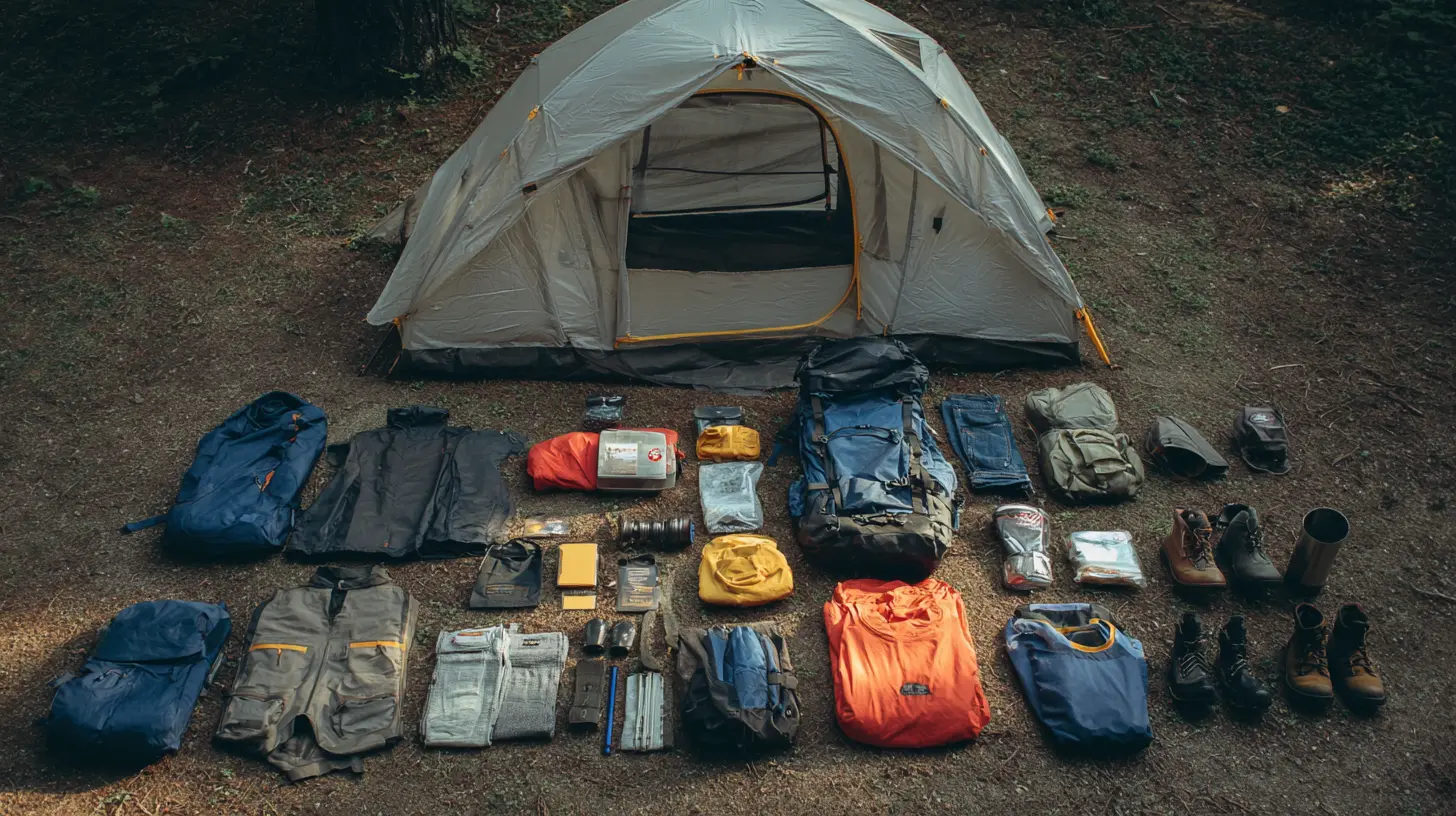
The Foundational Philosophy: Lightweight, Multi-Use, and Charged
Before we dive into specific items, let’s establish the mindset. Space is limited, whether you’re hiking in or just loading the autonomous vehicle. Every item must earn its place. In 2027, the golden rule is multi-functionality. A piece of gear that serves two or three purposes is worth its weight in gold—or, more accurately, worth saving precious battery percentage. Secondly, while technology is integrated, the aim is to use it to enhance your connection to nature, not interrupt it. Think of your tech as a silent, efficient butler, not a blaring concert in your pocket. Finally, sustainability isn’t a buzzword; it’s a non-negotiable. From solar threads to plant-based meal packs, your choices reflect a respect for the very environment you’re seeking to enjoy.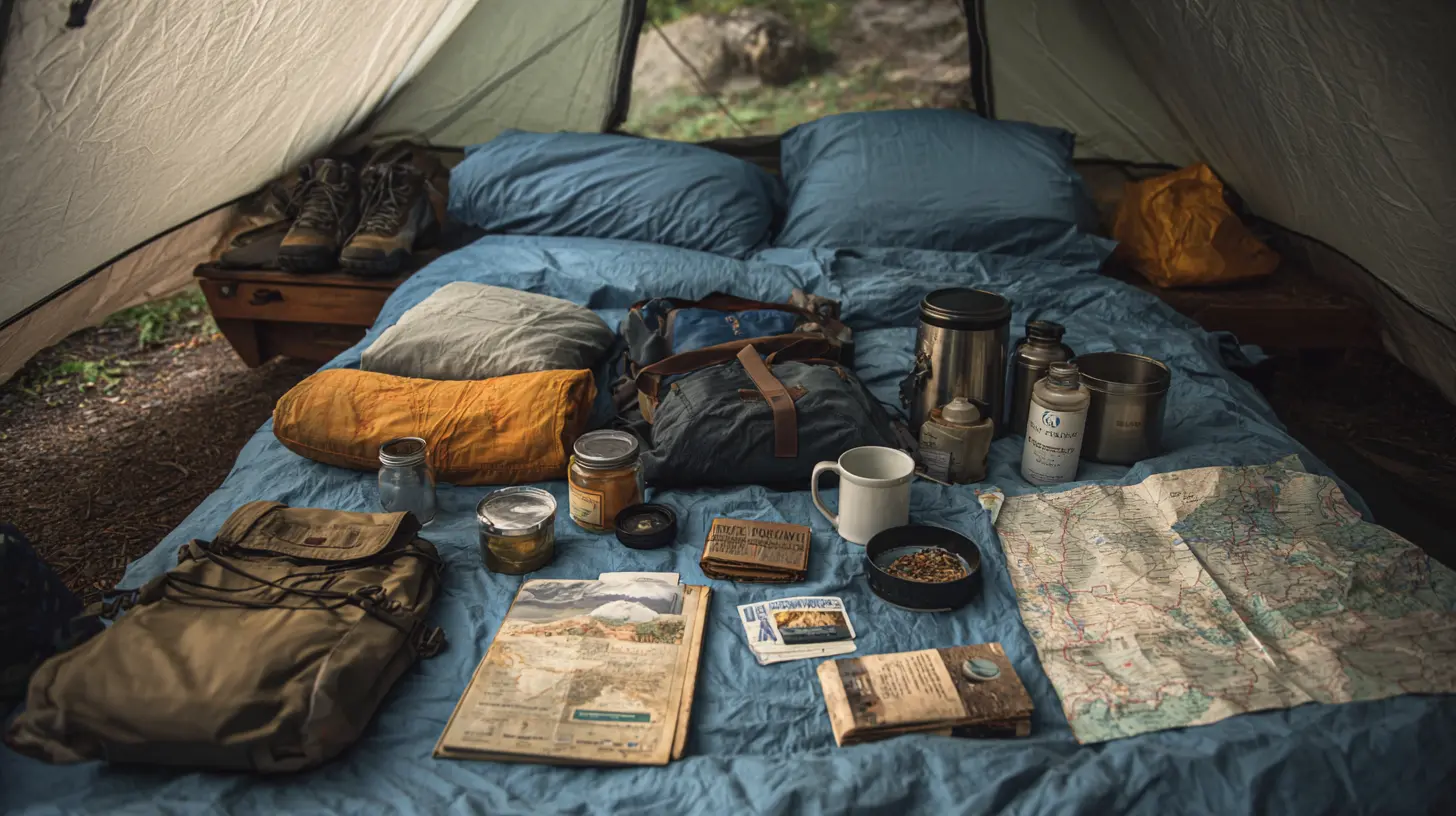
Shelter & Sleep System: Your Portable Sanctuary
This is your home for two nights. Getting this right is the difference between waking up refreshed and spending the night counting the roots under your back.The Shelter: The classic tent is still king, but its kingdom has advanced. Look for a 2027-era, self-erecting smart tent. These often use lightweight memory-alloy poles that spring into shape with a gentle toss. Key features? Look for integrated solar-reactive rainflies that tighten automatically when they sense moisture, and biomimetic mesh that keeps even the most persistent genetically-modified mosquitoes out while maximizing airflow. For the ultra-minimalist, a weather-rated, insulated hammock system with a built-in smart bug net is a sublime choice, letting you sleep under the stars without becoming a bug buffet.
Sleep Essentials: Your sleeping bag is likely a smart-fill hybrid. Down insulation is now often synthetic bio-down, offering the same warmth-to-weight ratio but maintaining loft even when damp. Many bags in 2027 feature a thin, woven conductive layer that can be connected to a compact power bank for gentle, low-energy heat on unexpectedly chilly nights—a game-changer. Pair this with an ultralight, inflatable sleeping pad that has a decent R-value (insulation rating). Forget loud, lung-busting pumps; your pad likely has a miniature, silent electric pump that integrates with your main power source and inflates in under 30 seconds.
Clothing & Personal Kit: Dressing for Dynamic Conditions
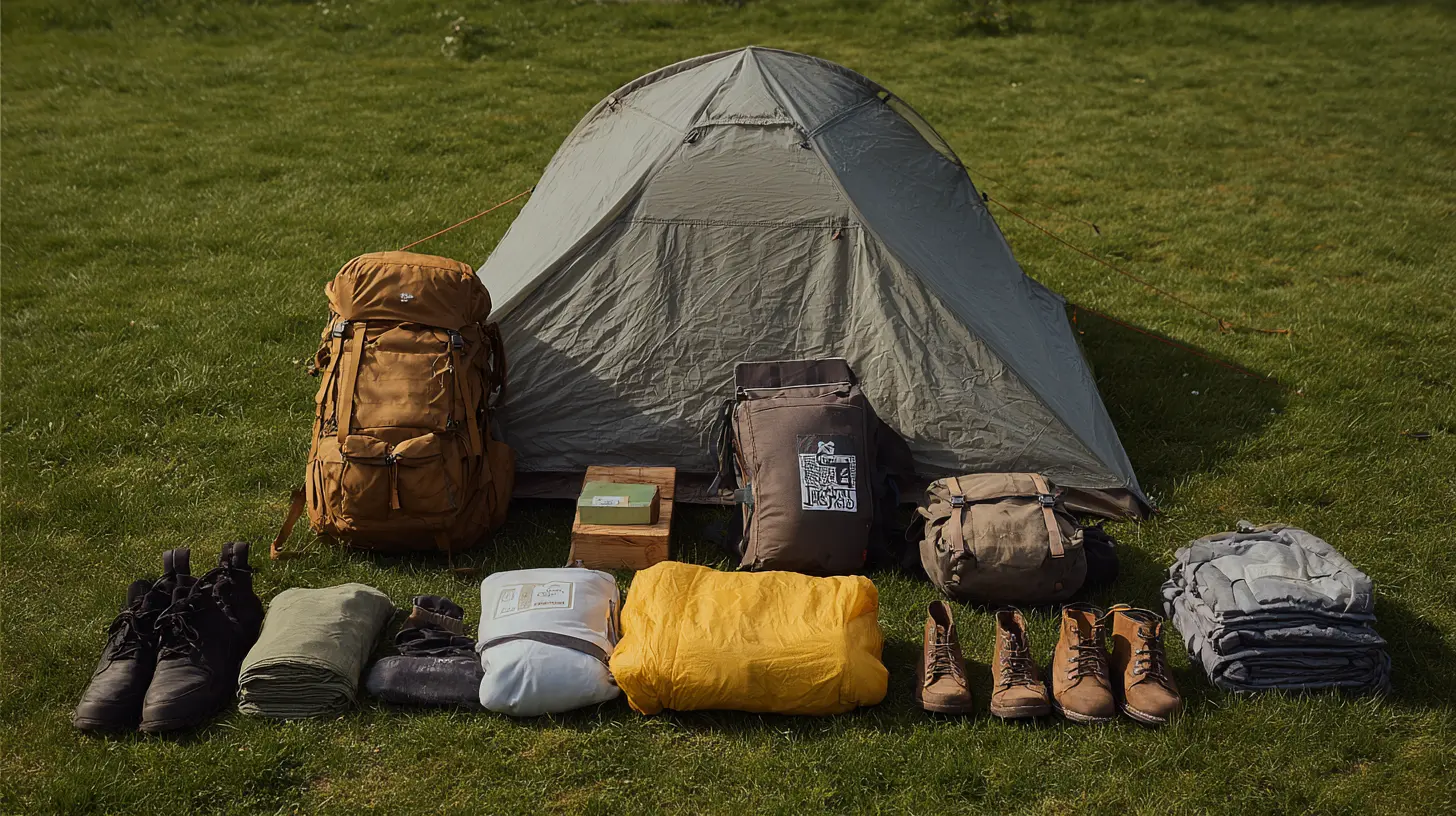
The “cotton kills” adage is more relevant than ever, but fabric science has made leaps. Your clothing is your primary environmental interface.The Layering System (The Onion Principle):
* Base Layer: This is where tech gets personal. Moisture-wicking, antimicrobial smart fabric is standard. These shirts and leggings not only pull sweat away but can also monitor core body temperature and sync subtly with your wearable. Some even have photosynthetic coatings that help neutralize odors, meaning you might get two days out of one shirt if you’re in a pinch.
* Insulating Layer: A puffer jacket with graphene-infused threads is ideal. It provides exceptional warmth for its weight and packs down to the size of a water bottle. Fleece has also evolved into recycled, high-pile fabrics that are lighter and dry faster than their ancestors.
* Shell Layer: Your rain jacket is no longer a sweaty plastic bag. Electrospun nanofiber shells are fully waterproof and windproof yet are breathable enough to wear during high exertion. They pack into their own pocket, which is now about the size of a bar of soap.
Footwear: Beyond broken-in hiking boots or shoes, smart socks are a worthy 2027 investment. These monitor foot temperature and pressure points, sending alerts to your device to prevent blisters before they form. Don’t forget camp shoes—think ultralight, collapsible sandals made from recycled algae foam. Your feet will thank you after a day on the trail.

Nutrition & Hydration: Fueling the Adventure
Gone are the days of mystery meat in a tin. Camp food in 2027 is about high-energy, low-waste, and surprisingly good flavor.Water: The UV-C and nano-filter collapsible bottle is ubiquitous. Fill it from any freshwater source, activate the purification system via a button (powered by a tiny solar strip on the bottle itself), and have safe drinking water in 60 seconds. For base camp, a larger gravity-fed filtration system with replaceable, compostable filter cores is efficient for groups.
Food: Your kitchen kit centers on a portable, induction-style camp stove that pairs with a thermal battery pack. This setup heats food quickly and silently without open flames (crucial in many high-fire-risk areas). The food itself? Look for vacuum-sealed, dehydrated “bowl” meals where you just add hot water. The 2027 twist is the proliferation of gourmet, plant-forward options and cultured protein packs that offer familiar textures with a fraction of the environmental footprint. A compact, durable spork and a self-cleaning ceramic-coated mug round out your mess kit.
Technology & Tools: The Smart Camper’s Edge
This is where 2027 truly separates itself. The goal isn’t to bring your living room outdoors, but to bring intelligent aids that solve problems.Power: The cornerstone is a high-density, modular power bank (think 30,000+ mAh). Its key feature? Multiple input methods: foldable solar panels for daytime topping, kinetic energy chargers you can shake or wind, and standard plug-in for pre-trip charging. This single bank powers everything: your tent heater, stove, lights, and devices.
Navigation & Safety: Your personal device (phone, wearable, or dedicated outdoor unit) is pre-loaded with offline, AI-updated topographic maps. A standalone satellite messenger with two-way texting and SOS is non-negotiable for areas beyond cellular grids—which is most places worth camping. A simple multitool with pliers, knife, and driver remains a timeless, low-tech essential.
Lighting: The humble headlamp has become a context-aware lighting system. It uses ambient light sensors to automatically adjust its beam pattern and brightness, conserving battery. Many feature a red-light mode that preserves night vision and doesn’t attract insects, activated automatically after sunset.
The Non-Negotiables: Safety, Comfort & Leave No Trace
Some things never change, they just get better designed.First-Aid: Upgrade your kit to include a compact diagnostic scanner that can check vitals and sync with emergency services if needed. Include biogel bandages that adhere even when wet and have embedded healing agents. Don’t forget personal medications and a broad-spectrum probiotic sunscreen that’s reef-safe and lasts all day.
Comfort & Ethics:
* A quick-dry, sand-free towel: Microfiber has been replaced by even more absorbent, faster-drying natural fiber blends.
* Biodegradable soap and sanitizer: For cleaning yourself and dishes, with absolutely no impact on the ecosystem.
* A physical notebook and pen: Sounds archaic, right? But in a world of screens, the tactile joy of jotting down thoughts or sketching a landscape is a profound part of disconnecting. It also works when your power bank is empty.
* A dedicated waste system: This means compostable bags for all trash and food waste, and a portable toilet system if you’re camping somewhere without facilities. In 2027, leaving no trace is a proactive process, not an afterthought.
Packing for your 2027 weekend camping trip is an exercise in thoughtful curation. It’s about selecting tools that recede into the background, allowing you to foreground the experience: the scent of pine, the chill of a morning breeze, the profound silence only found far from cities. You’re not just packing gear; you’re packing the keys to your own brief, beautiful escape. So, audit your list against our philosophy of multi-use, sustainability, and smart support. Then, zip up your pack, power down your notifications, and step outside. Your weekend of actual reality awaits.
all images in this post were generated using AI tools
Category:
Camping AdventuresAuthor:

Kelly Hall
Discussion
rate this article
2 comments
Margaret McRae
Great tips! Packing for a weekend camping getaway can be a breeze with the right list. Remember to leave a little room for spontaneous adventures and marshmallow snacks! Embrace the outdoors, and may your tent be cozy and your memories unforgettable. Happy camping! 🌲🏕️✨
April 22, 2026 at 3:16 AM
Runeveil Strickland
Great tips! I can already feel the excitement of roasting marshmallows under the stars. Packing light but smart is definitely the way to go! 🍂🌌
April 21, 2026 at 4:21 AM
Kelly Hall
Thanks! Nothing beats roasting marshmallows under the stars. Happy camping!