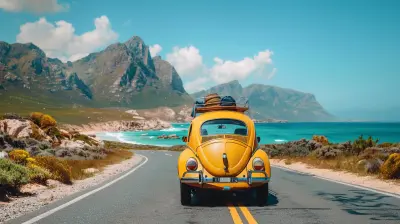
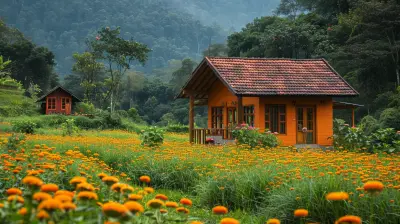
Why Slow Travel Might Be the Best Way to See the World Sustainably
9 March 2026
Traveling is exciting. New places, different cultures, and unforgettable experiences—what’s not to love? However, the way we travel can have a big impact on both the environment and our personal experiences. Enter slow travel, the antidote to rushed itineraries and surface-level sightseeing. This mindful approach to travel is gaining popularity, and for good reason.
So, what exactly is slow travel, and why might it be the best way to see the world sustainably? Let's dive in.
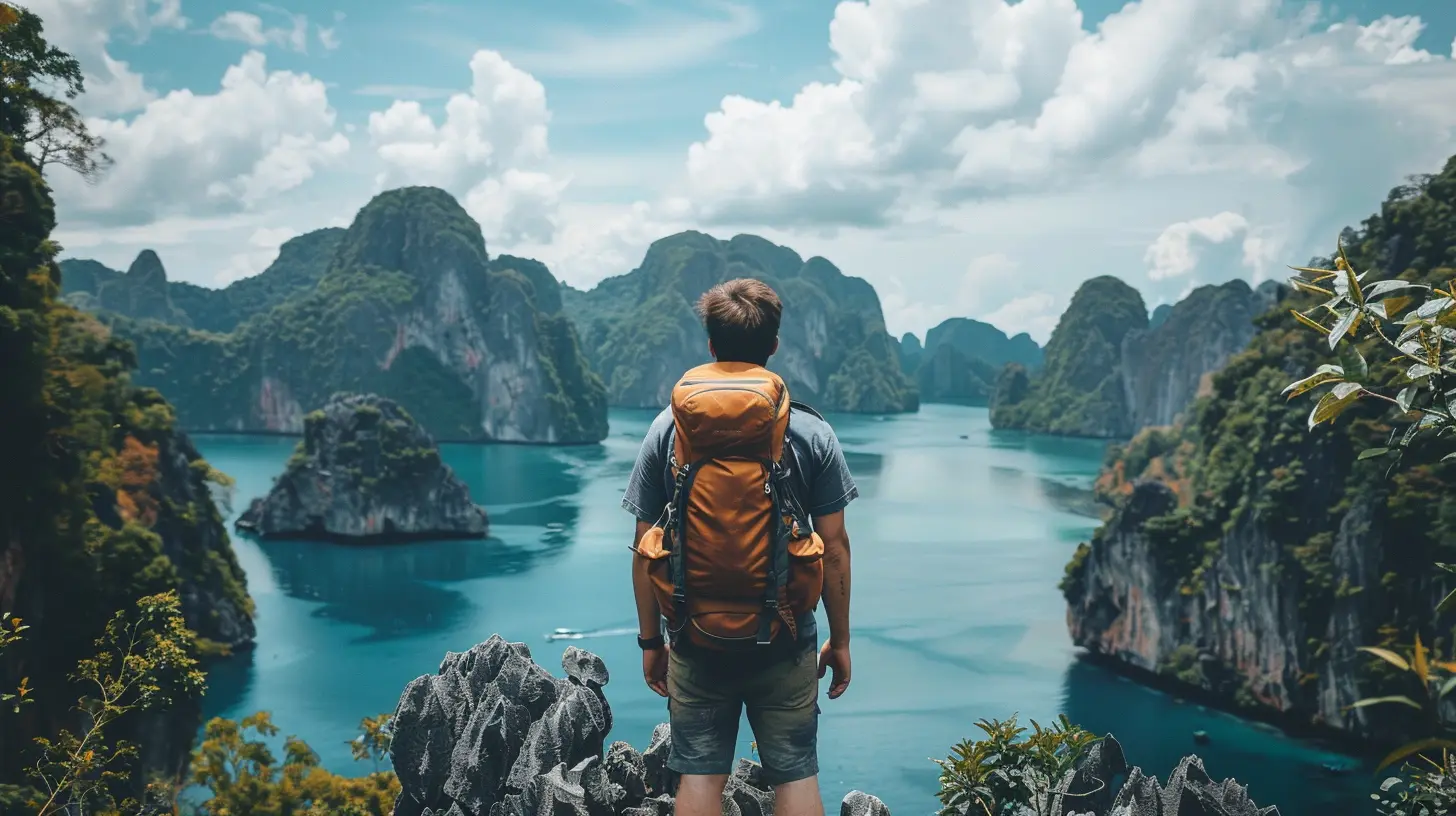
What Is Slow Travel?
Slow travel is all about quality over quantity. Instead of trying to tick off as many destinations as possible in one trip, slow travelers take their time to immerse themselves in one place. They stay longer, travel more consciously, and engage more deeply with the culture, people, and environment around them.Think of it as the difference between inhaling your food in two minutes versus sitting down to savor each bite. One leaves you full but unsatisfied, the other gives you a rich and fulfilling experience.
How Is It Different from Traditional Travel?
Traditional travel often involves packed itineraries, rushed sightseeing, and lots of hopping between cities or even countries. It’s about seeing more in less time. While that might seem efficient, it often leads to exhaustion, increased carbon footprints, and a shallow experience of each destination.Slow travel, on the other hand, is about:
- Staying in one place longer
- Using sustainable and local forms of transport
- Immersing yourself in local culture
- Traveling with intention rather than just checking off a bucket list
Not only does this approach reduce stress, but it also allows for a deeper connection with a place and its people.
The Sustainability Benefits of Slow Travel
Travel is often linked to environmental damage. From excessive carbon emissions to over-tourism, the travel industry has its downsides. However, slow travel can help counteract these effects in several ways.1. Lower Carbon Footprint
One of the biggest environmental issues with modern travel is the heavy reliance on airplanes. Flights contribute significantly to carbon emissions, with long-haul flights being among the worst offenders.Slow travel often involves fewer flights, opting instead for more sustainable transportation methods like trains, buses, biking, or even walking. Staying in one location longer also reduces the need for constant movement, lowering overall transportation emissions.
2. Support for Local Communities
Big tourism corporations often take a large slice of the financial pie, leaving local communities with little economic benefit. Slow travelers, however, tend to stay in locally-owned accommodations, eat at family-run restaurants, and shop at local markets.By putting money directly into the hands of locals, slow travel helps sustain communities and create jobs in ways that mass tourism often fails to do.
3. Reduced Over-Tourism
Popular travel destinations can become overcrowded, leading to strain on local resources, increased pollution, and even damage to historical sites.Ever visited a famous landmark only to realize it’s packed with tourists, making it impossible to enjoy? That’s over-tourism in action.
Slow travel encourages visits to less crowded areas, bringing more balance to travel hotspots and reducing pressure on overburdened destinations.
4. Less Waste Production
Fast-paced travel often leads to convenience-based consumption: single-use plastics, disposable hotel toiletries, and excessive packaging from grab-and-go meals.When you slow down, you have the opportunity to adopt more sustainable habits, such as:
- Bringing reusable water bottles, utensils, and shopping bags
- Cooking meals with locally sourced ingredients
- Choosing accommodations that prioritize sustainability
A slower pace naturally lends itself to more thoughtful and eco-friendly choices.
The Personal Benefits of Slow Travel
Sustainability aside, slow travel can also be incredibly enriching for the traveler. Here’s how:1. Deeper Cultural Immersion
When you rush through a destination, your interactions with locals might be limited to ordering food or buying souvenirs. But staying longer allows you to form genuine connections, learn a few words of the local language, and get insider tips on the best spots that tourists often miss.You experience a place not just as a visitor but as a temporary resident.
2. Less Stress, More Enjoyment
Trying to cram too much into a short trip is exhausting. Running from one attraction to the next can leave you feeling drained rather than fulfilled.Slow travel removes the pressure, giving you time to truly soak in your surroundings. Imagine sipping coffee at a quiet café without feeling the need to rush off to the next tourist attraction. Sounds relaxing, right?
3. Better Financial Planning
Rushing from place to place often means spending more on flights, trains, and last-minute bookings. Slow travel allows for better budgeting since longer stays in one spot often mean discounts on accommodations and less money spent on constant transportation.Plus, instead of spending on quick-fix comforts, you can invest in meaningful experiences—like a local cooking class or a traditional dance workshop—that create lasting memories.
How to Embrace Slow Travel
Interested in trying slow travel but not sure where to start? Here are some simple steps to help shift your mindset and approach.1. Choose Fewer Destinations
Instead of trying to see five cities in one trip, pick one or two and really explore them. You’ll be surprised how much more you notice when you take your time.2. Opt for Sustainable Transport
Where possible, avoid flights. Instead, take a train, bus, or even cycle between locations. Not only is it better for the planet, but you’ll also get to enjoy the journey rather than just the destination.3. Stay in Local Accommodations
Skip the big chain hotels and opt for locally-run guesthouses, eco-lodges, or even homestays. These often provide a more authentic experience while directly supporting the local economy.4. Engage with the Local Culture
Go beyond the tourist traps. Visit local markets, learn a few words in the native language, and engage with the community through cultural activities.5. Savor the Moment
Slow travel is as much about the mindset as it is about the itinerary. Let go of the need to "see it all" and instead focus on truly experiencing the places you visit.Final Thoughts
Slow travel isn’t just a trend—it’s a shift towards more mindful, eco-conscious, and fulfilling experiences. By slowing down, we not only reduce our environmental impact but also deepen our connection to the places we visit.So next time you plan a trip, consider taking the slow route. Your stress levels, your wallet, and the planet will thank you.
all images in this post were generated using AI tools
Category:
Eco TravelAuthor:

Kelly Hall
Discussion
rate this article
2 comments
Loretta Sharpe
Why rush when you can savor? Slow travel is like a fine wine—best enjoyed slowly! Embracing each moment lets you soak up the culture, connect with locals, and reduce your carbon footprint. Cheers to wandering at a leisurely pace and making memories that last! 🌍✨
March 21, 2026 at 3:15 AM
Kelly Hall
Absolutely! Slow travel enriches experiences and fosters deeper connections, making every journey more meaningful and sustainable. Cheers to that! 🌍✨
Zanya Anderson
Slow travel is not just a trend; it’s a transformative approach to exploring the world. Embracing local cultures, savoring experiences, and minimizing our footprint enriches our journeys and fosters genuine connections. Prioritize quality over quantity—it's the sustainable way to create lasting memories and protect our planet.
March 15, 2026 at 5:41 AM
Kelly Hall
Absolutely! Slow travel truly allows for deeper connections and a more meaningful exploration of our world, fostering sustainability and enriching our travel experiences.