An Insider’s Guide to Exploring Asia’s Ancient Trade Routes
7 July 2026
Asia’s ancient trade routes hold stories of adventure, cultural exchange, and economic power. Imagine centuries ago—merchants traversing vast distances, camels laden with silk and spices, and bustling marketplaces where East met West. If you're a traveler with a passion for history, adventure, and breathtaking landscapes, Asia’s ancient trade routes are a goldmine waiting to be explored.
But where do you start? How do you make the most of your journey? Well, that’s what this guide is for! Let’s take a deep dive into the legendary paths that shaped civilizations—and how you can follow in the footsteps of ancient traders. 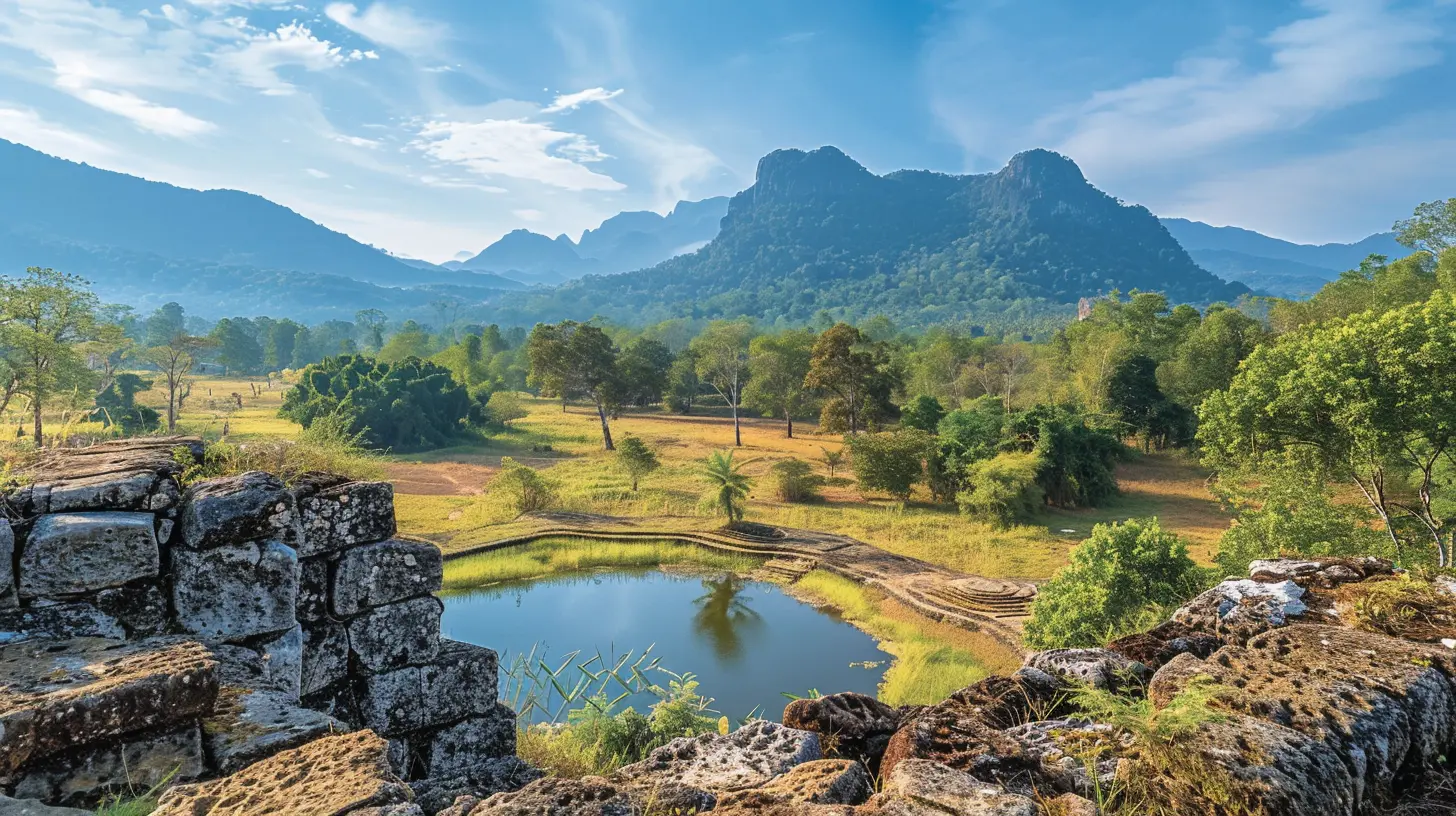
1. The Silk Road: The Legendary Highway of Cultures
The Silk Road is probably the most famous ancient trade route in the world. Stretching from China to the Mediterranean, it wasn’t a single road but a network of interconnected trade paths. Traders carried silk, spices, gemstones, and even ideas across mountains, deserts, and cities.Must-Visit Destinations Along the Silk Road
- Xi’an, China – The starting point of the Silk Road and home to the famous Terracotta Army. Don’t miss the Muslim Quarter for mouthwatering street food.- Dunhuang, China – Marvel at the Mogao Caves, filled with ancient Buddhist murals that date back over a thousand years.
- Samarkand, Uzbekistan – A true gem, with its stunning Registan Square and intricate Islamic architecture.
- Bukhara, Uzbekistan – Walk through the centuries-old bazaars and caravanserais that once hosted Silk Road merchants.
- Istanbul, Turkey – The final destination for many traders, where East meets West with its fascinating bazaars and historic sites.
How to Experience It Like an Explorer
- Travel by Train or Caravan – Okay, camels may not be practical, but a train ride along the Silk Road is the next best thing!- Stay in Traditional Caravanserais – Some ancient inns still exist and offer an immersive experience.
- Try the Food of the Silk Road – Sample Uyghur lamb skewers, Uzbek plov, and Turkish baklava—just like the merchants did long ago.
2. The Spice Route: Asia’s Floating Highway
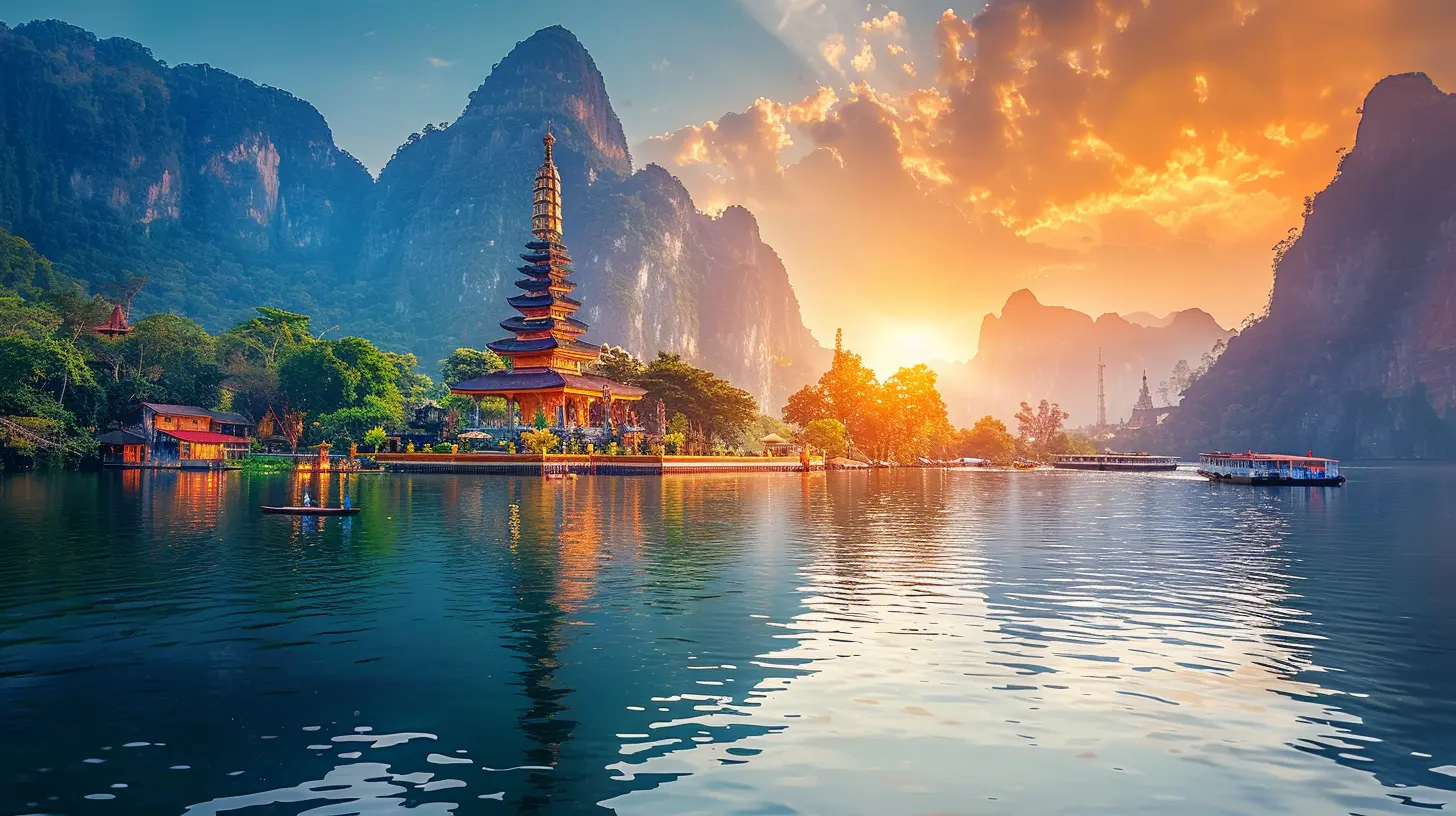
Unlike the land-based Silk Road, the Spice Route was all about maritime trade. This network connected Asia with Europe and the Middle East, transporting exotic spices like cinnamon, cloves, and nutmeg. The route turned coastal cities into powerful trading hubs.Top Spots to Follow the Spice Route
- Malacca, Malaysia – Once a major spice trade hub, Malacca’s Dutch and Portuguese heritage make it a fascinating place to explore.- Goa, India – Known for its Portuguese influence, spice plantations, and stunning beaches.
- Kochi, India – Visit the old spice markets that still retain the scent of history.
- Zanzibar, Tanzania – While slightly off-route, Zanzibar was a major player in the spice trade and has thriving spice farms today.
How to Soak in the Spice Route Experience
- Take a Spice Farm Tour – Visit plantations in Kerala or Zanzibar to see how exotic spices are cultivated.- Explore the Historic Ports – Wander through the ancient docks where ships once unloaded their precious cargo.
- Savor the Flavors – Taste dishes influenced by the spice trade, from Indian curries to Indonesian rendang.
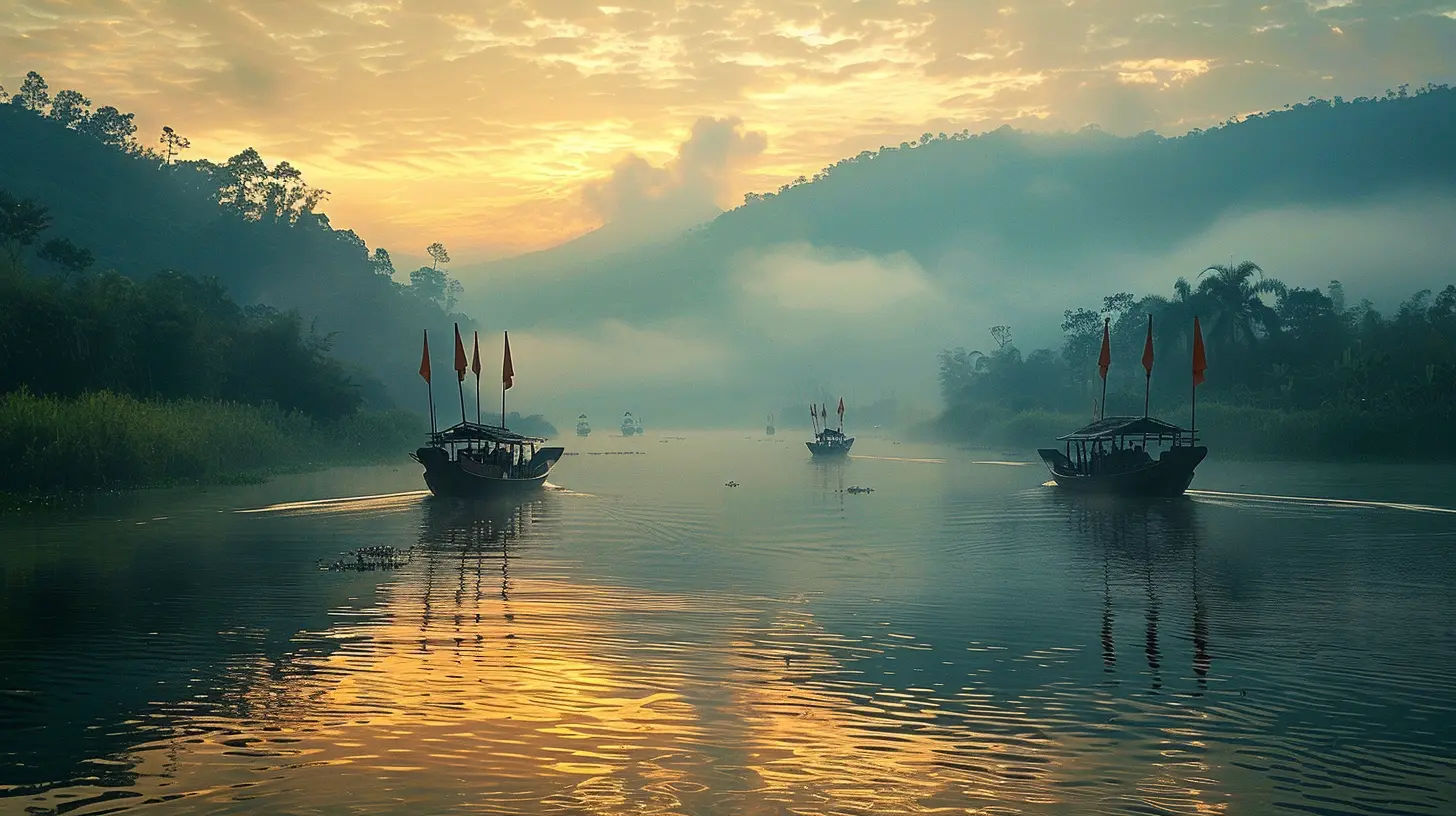
3. The Tea Horse Road: A Hidden Gem for Adventurers
Not as well-known as the Silk or Spice Routes, the Tea Horse Road was a rugged network that connected China with Tibet and beyond, primarily for trading tea and horses. The routes ran through mountainous terrain, making it one of the most challenging trade paths.Must-See Destinations Along the Tea Horse Road
- Lijiang, China – A charming old town with cobblestone streets and a rich Naxi culture.- Shangri-La, China – Nestled in the Himalayas, it’s home to Tibetan monasteries and breathtaking landscapes.
- Dali, China – Known for its Bai culture, stunning lakes, and vibrant tea culture.
Ways to Travel Like an Ancient Merchant
- Trek Through the Old Paths – Some sections still exist, and trekking through them offers a glimpse into the past.- Visit Local Tea Houses – Sample authentic Pu-erh tea, one of China’s most famous exports.
- Interact with Tibetan Communities – Experience the culture that kept this ancient trade route alive.
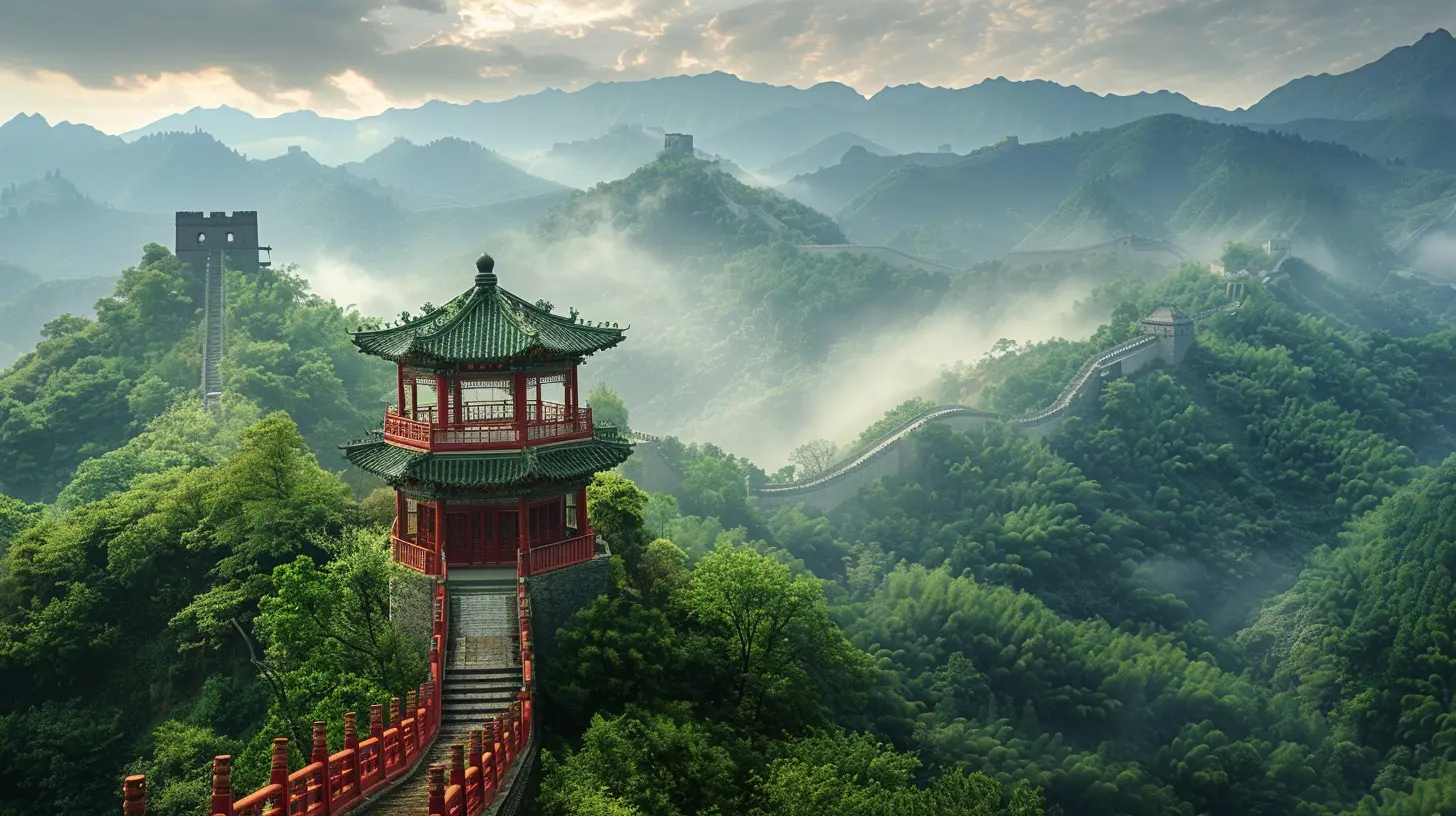
4. The Incense Route: The Scented Path to Wealth
You might not hear much about the Incense Route, but in ancient times, it was a major player in global trade. Traders transported frankincense and myrrh from the Arabian Peninsula into Asia, the Mediterranean, and beyond.Key Stops Along the Incense Route
- Salalah, Oman – Famous for its frankincense trees and traditional souks.- Petra, Jordan – This legendary city thrived due to incense trade profits.
- Sana’a, Yemen – An ancient center of incense trade, though currently difficult to visit due to political instability.
How to Recreate the Incense Route Experience
- Smell the History – Visit an incense bazaar in Oman and let the fragrances transport you to the past.- Explore Ancient Caravan Cities – Walk the dusty paths once traveled by traders and camels.
- Buy Authentic Frankincense – Take home a piece of history with high-quality incense from Oman.
Tips for Traveling the Ancient Trade Routes
- Plan for Remote Destinations – Some parts of these routes are off the beaten path, so research well.- Blend in With the Locals – Engage with people, try traditional clothing, and respect local customs.
- Go Slow, Savor the Journey – These routes weren’t about speed—they were about experience, culture, and connection.
Final Thoughts
Exploring Asia’s ancient trade routes is like stepping into a time machine. Through bustling markets, hidden temples, and rugged landscapes, you’ll walk the same paths as merchants, monks, and adventurers of old. Whether you follow the Silk Road’s footsteps, sail the Spice Route’s waters, or trek the Tea Horse Road, one thing is certain—you’ll leave with stories, memories, and perhaps a few treasures of your own.So, are you ready to embark on an adventure through history?
all images in this post were generated using AI tools
Category:
Asia TravelAuthor:

Kelly Hall
Discussion
rate this article
1 comments
Zeke Wilkins
A fascinating journey through history and culture.
August 16, 2026 at 3:51 PM