Opinion: Why Tourism Needs to Fund Climate Adaptation to Save the Destinations It Loves
June 21, 2026 - 19:22
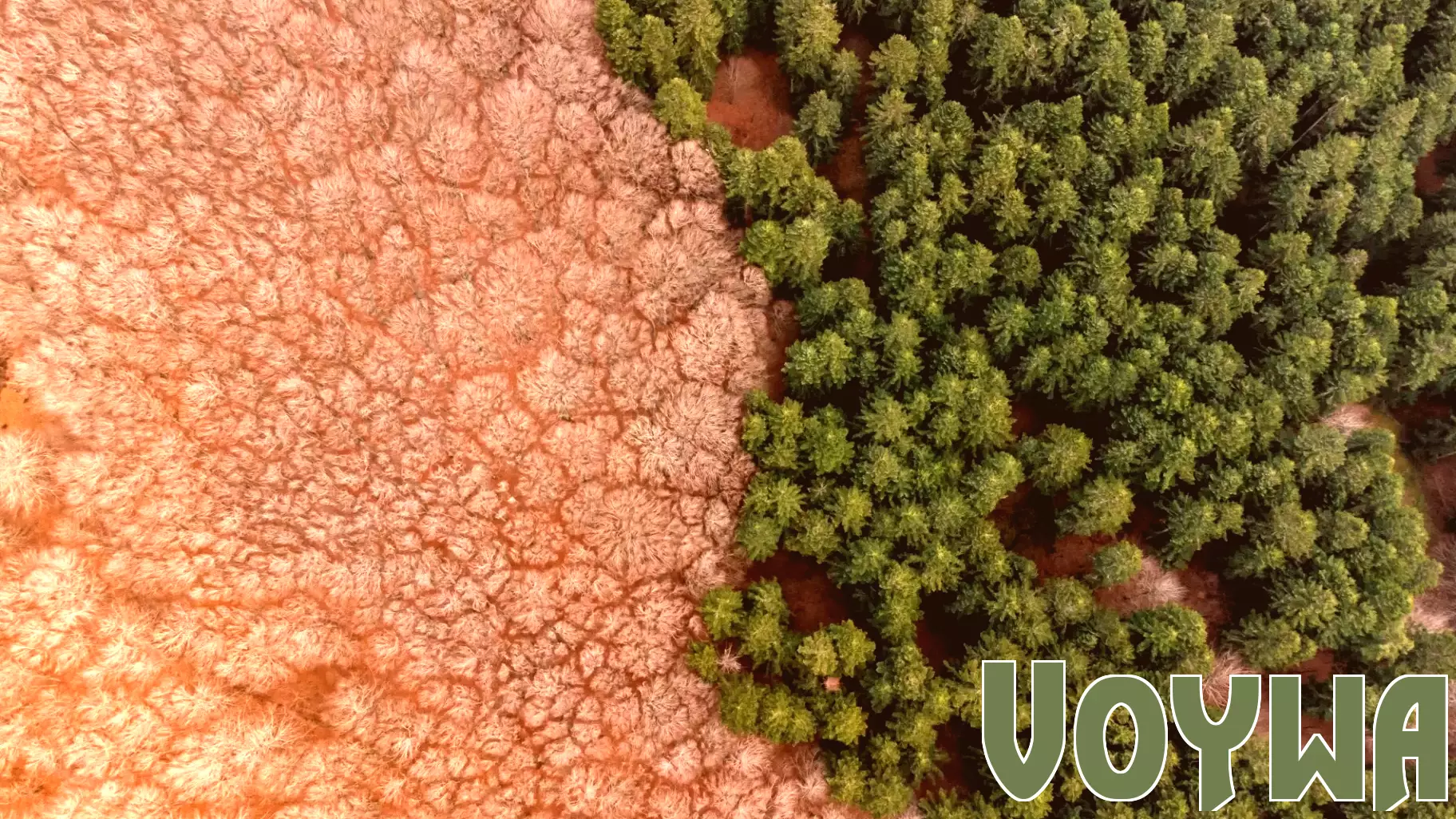
Tourism has always been a strange industry. It profits directly from the world's most fragile and beautiful places - coral reefs, alpine forests, coastal villages - yet it has historically treated climate change as a problem for someone else to solve. Airlines promise net-zero flights by 2050. Hotels install solar panels and swap plastic straws for paper ones. These efforts matter, but they are not enough. The truth is that cutting emissions alone will not save the places tourists actually visit.
Think about it. A ski resort can reduce its carbon footprint to zero, but if the snow does not fall, the resort is dead. A beachfront hotel can be carbon neutral, but if rising seas wash away the sand, no one books a room. The damage is already locked in. Even if every flight stopped tomorrow, the glaciers in the Alps would still retreat, the Great Barrier Reef would still bleach, and Venice would still sink. The emissions already in the atmosphere guarantee decades of warming.
This is where climate adaptation comes in. Adaptation means building seawalls, restoring mangroves, creating artificial snow, relocating airports, and redesigning entire waterfronts. It is expensive, unglamorous work. But it is the only way to keep iconic destinations open for business.
The problem is funding. Most adaptation projects rely on government grants or international aid, which are slow and insufficient. Tourism, however, generates trillions of dollars annually. A small percentage of that revenue - a tax on hotel stays, a levy on cruise passengers, a fee on flight tickets - could fund adaptation directly in the places that need it most. This is not charity. It is an investment in the product that tourism sells.
Some argue that adaptation lets the industry off the hook for its emissions. That is a false choice. The industry must do both: cut emissions aggressively and adapt to the changes already coming. A destination that invests only in mitigation will watch its coastline erode. A destination that invests only in adaptation will drown in its own pollution.
The most popular places on Earth are running out of time. Venice is fighting floods. The Maldives is building artificial islands. Ski resorts in the French Alps are trucking in snow. These are not future problems. They are happening now. Tourism either pays to protect the places it depends on, or it watches them disappear. The choice is that simple.
MORE NEWS

August 5, 2026 - 13:57
Climate crisis reshapes travel as weather risks grow in 2026A new global survey shows that concerns about extreme weather are now a major factor in how people plan their vacations. The study, which polled more than 32,500 travelers, found that 74 percent of...
August 2, 2026 - 05:50
Record seaweed threat to tourism, environment in Mexico and CaribbeanMassive piles of sargassum are smothering coastlines from the Yucatan Peninsula to the Lesser Antilles, creating a foul-smelling crisis that is driving away vacationers and endangering local...

July 31, 2026 - 21:34
Prabowo urges cleaner Indonesia to boost tourismPresident Prabowo Subianto has emphasized that Indonesia needs to become a cleaner, more beautiful, and better-organized nation in order to attract more international visitors. Speaking at a recent...
July 30, 2026 - 00:06
Sharjah launches incentives to support tourism businessesSharjah has introduced a fresh set of financial incentives aimed at supporting tourism businesses across the emirate. The initiative, named SEWA, is designed to ease operational costs and encourage...